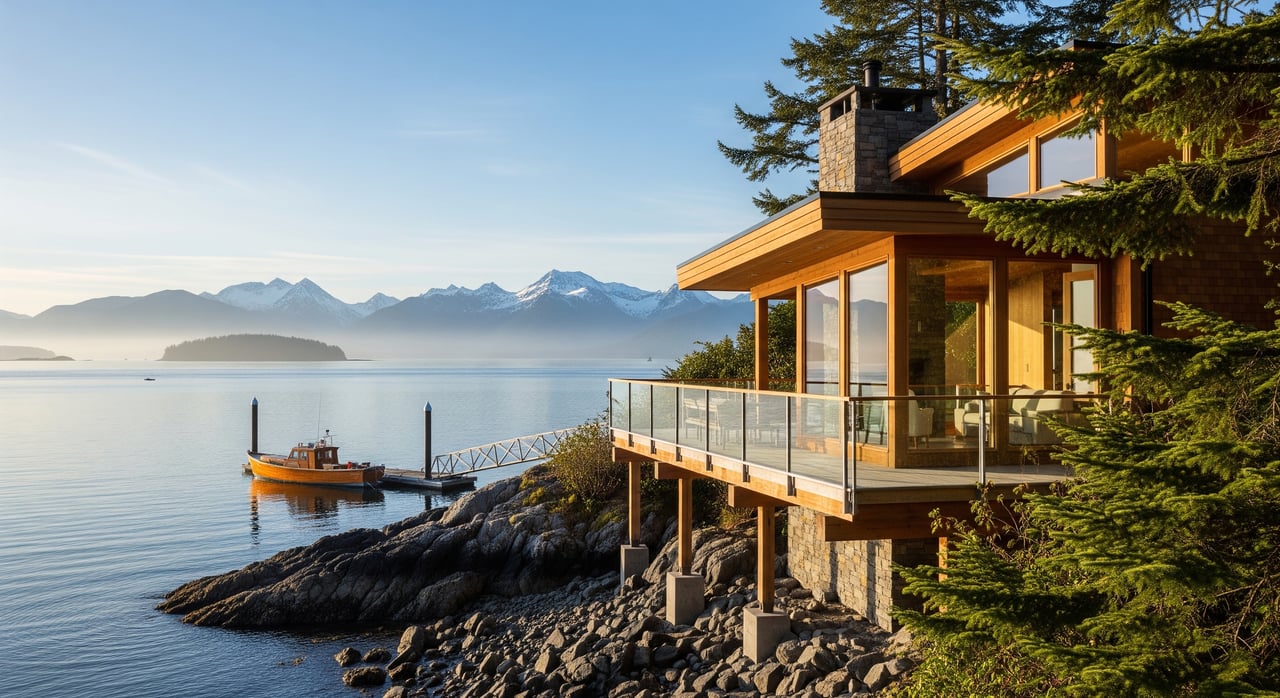
What It’s Like To Live In Sitka As A Homeowner
February 5, 2026
February 5, 2026
Does your ideal day blend tide charts, trail time, and a quick stop at the harbor? If you’re picturing life where mountains meet the sea, Sitka may already be calling your name. You want the real story of what day-to-day homeownership feels like on an island town that runs on community, seasons, and practical planning. In this guide, you’ll learn what to expect from the climate, access, services, housing, maintenance, and daily rhythm so you can decide if Sitka is the right next step. Let’s dive in.
Sitka sits in a maritime temperate rainforest. Winters are relatively mild compared with the Alaska interior, and summers are cool. You’ll see frequent rain, high humidity, and plenty of clouds. Snow happens but persistent deep freeze is uncommon.
Summer temperatures often run in the 50s and 60s Fahrenheit. Winter days are typically in the 30s and 40s. Because daylight swings are pronounced, your routines shift with the season. Long summer days invite evening hikes and fishing after work, while midwinter calls for cozy indoor projects and planning around shorter light windows.
Sitka has no road connection to the Alaska road system. You travel in and out by air or ferry. Sitka Rocky Gutierrez Airport offers scheduled flights to regional hubs, and floatplanes serve certain routes. The Alaska Marine Highway ferry links Sitka to other Southeast communities on seasonal schedules.
Locally, driving is simple and traffic is light by urban standards. Many homeowners also rely on boats for recreation and work. Weather can interrupt travel, especially in winter, so you build buffer time into plans and keep a flexible mindset.
If you love the outdoors, Sitka is hard to beat. You have immediate access to Tongass National Forest trails, beaches, and sheltered waters for kayaking and boating. Popular spots include Sitka National Historical Park, Harbor Mountain, Starrigavan Recreation Area, and Indian River. Wildlife viewing is part of regular life, from sea otters to whales.
Sitka’s cultural life is active and distinctive. Tlingit heritage is present in art, totems, events, and community institutions. The arts scene includes camps, festivals, and museum programming. Volunteerism is strong. You’ll find service clubs, first responders, and search and rescue teams supported by locals who show up for each other.
Services meet everyday needs, though selection can be narrower than big-city options. You have grocery stores, hardware, banking, mail, clinics, and pharmacies. Restaurants and coffee shops are part of the scene, and the variety expands in summer when tourism ramps up.
Because freight drives costs, groceries and household goods generally run higher than the national average. Many homeowners plan ahead, order in bulk, and keep a pantry. Internet and cellular coverage exist, though speeds and reliability can vary by neighborhood. If you work remotely, it is smart to confirm providers and test connections at specific addresses.
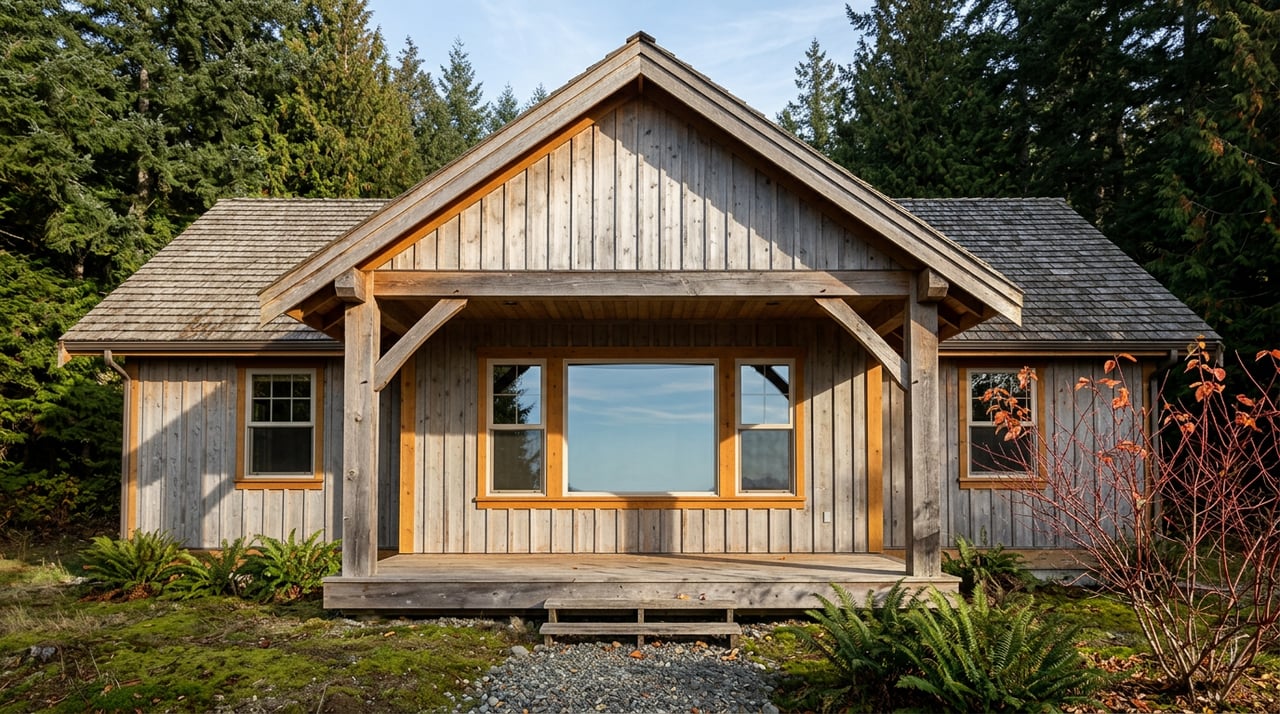
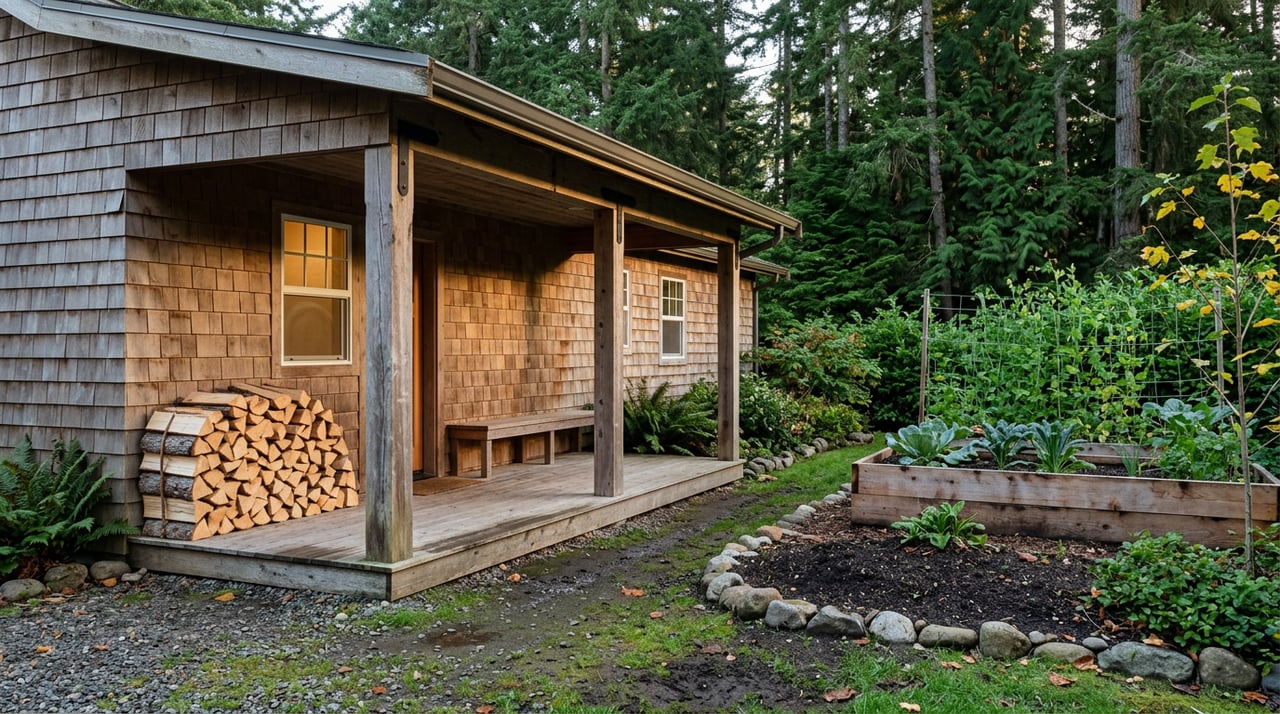
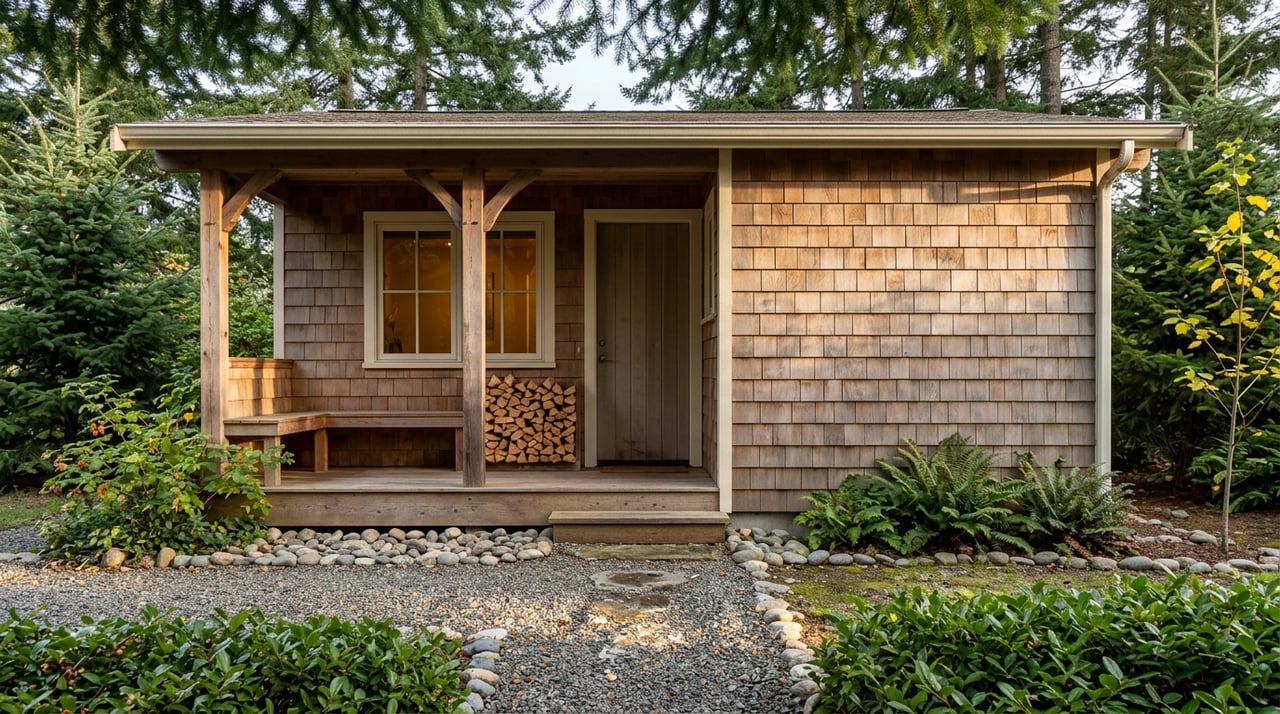
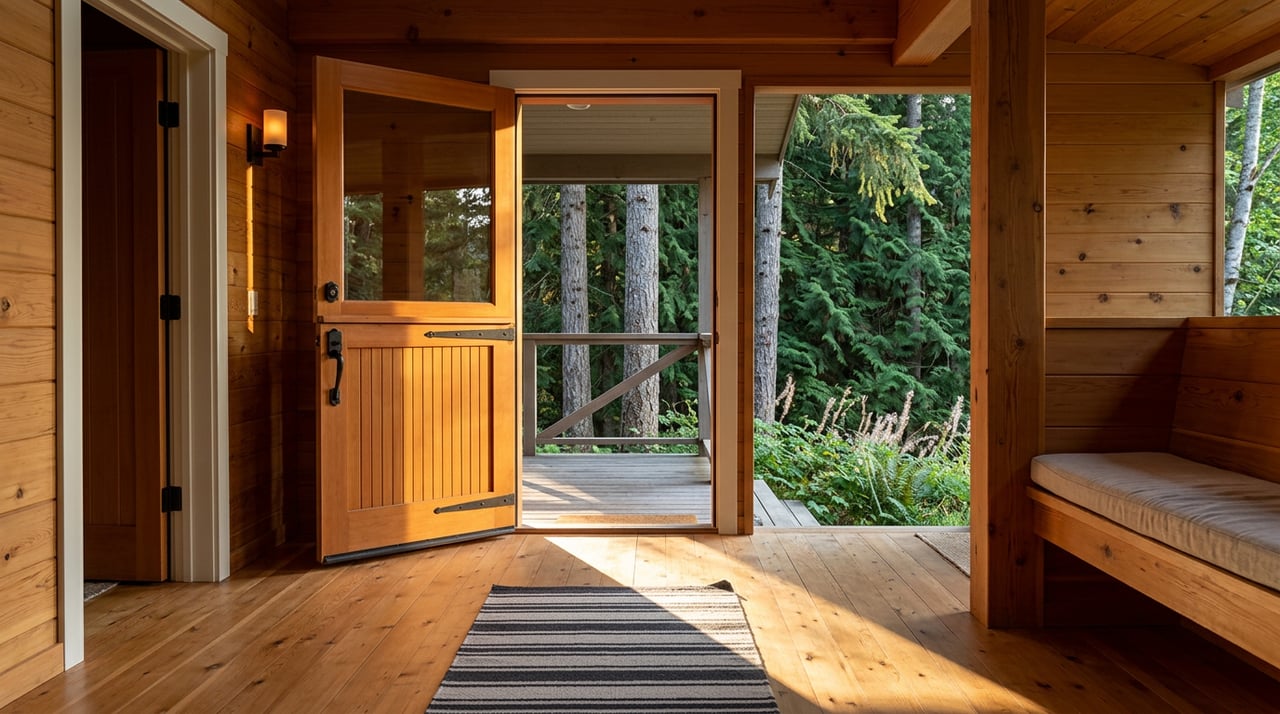
You’ll see a mix of single-family homes, historic cottages near the harbor, newer builds, and some multi-unit properties. Waterfront, hillside, and forested lots are common. Downtown areas near cultural sites offer walkable convenience, while outlying neighborhoods feel more private and woodsy.
Inventory is often limited due to land constraints and seasonal market flows. Well-kept homes tend to draw attention. Some buyers come for second homes, especially where marine access and views are the draw. If you plan to host guests or manage a seasonal stay, consider how travel logistics and property management will fit your routine.
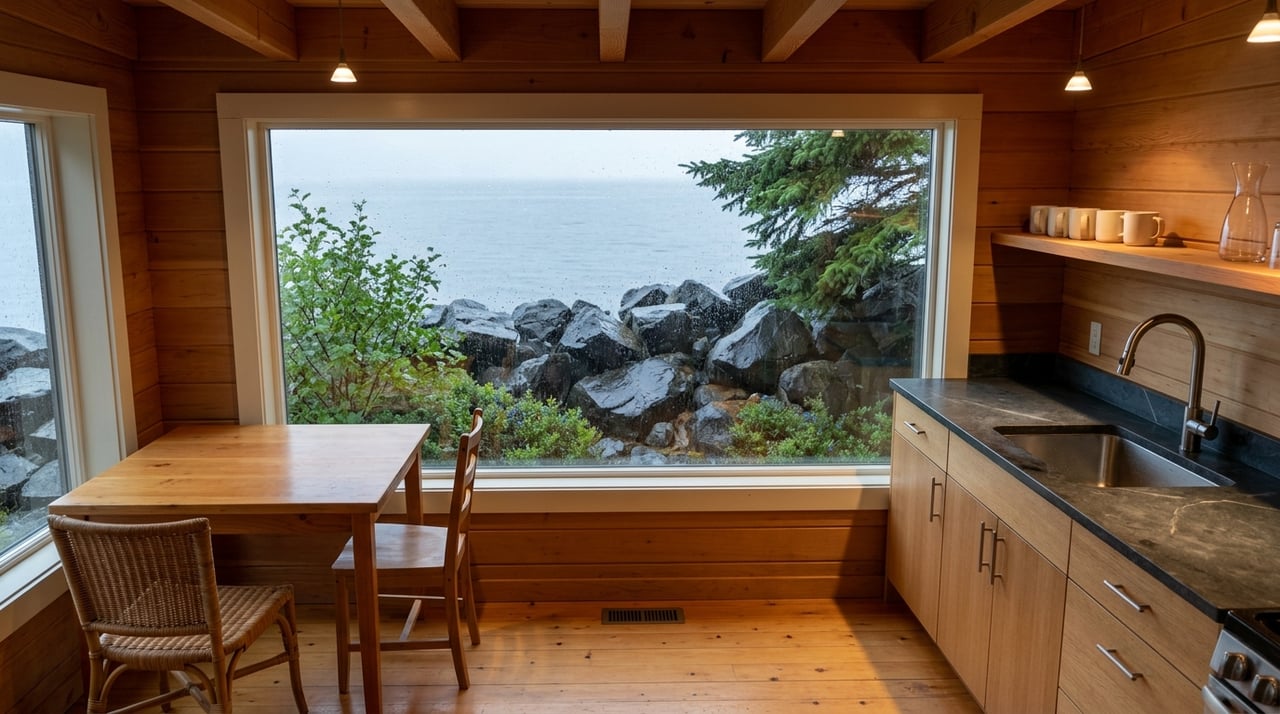
Sitka’s climate invites a proactive approach to upkeep. High precipitation and humidity can accelerate wear. Moisture management is the name of the game. During inspections, you look closely at roof condition, flashing, deck and railing integrity, gutters and downspouts, crawlspace ventilation, and drainage away from the foundation.
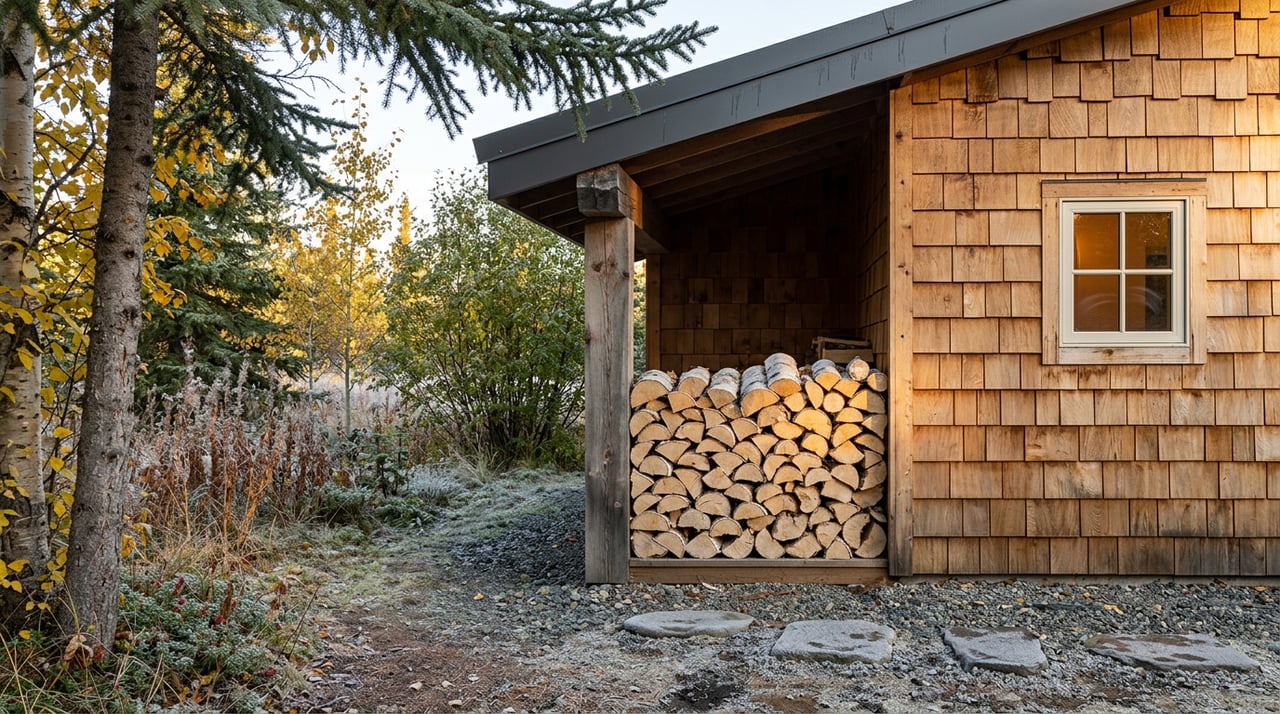
Durable materials are common. Metal roofing, treated lumber, and robust waterproofing help protect your investment. Elevated foundations may appear in spots to promote drainage. Heating systems vary across homes, including oil, propane, electric, and wood stoves. Sitka benefits from local hydroelectric power for much of its electricity, which supports more predictable electric costs compared with diesel-only communities, though heating fuel delivery and pricing still matter for your annual budget.
If you are near the shoreline, factor in coastal hazards. Sitka includes properties in tsunami zones and areas with storm surge or erosion exposure. Review FEMA flood maps and local hazard information as part of your due diligence. Homeowners insurance may cost more for certain coastal exposures, and flood insurance may be required depending on your exact location and lender.
Shipping affects the cost of goods, fuel, and building materials. Budget more than you might in the Lower 48 for groceries and project supplies. The borough provides water and sewer service within designated areas. Some outlying properties rely on wells and septic systems, so verify utility availability for any specific home.
Much of Sitka’s electricity is supplied by local hydroelectric generation, which helps stabilize electrical costs relative to diesel-dependent towns. Heating may rely on fuel oil or propane, and deliveries need planning. Internet service and cellular coverage are available, though speeds can vary by address. If online work is essential, test reliability before you commit.
Healthcare is anchored locally with primary and emergency care available. For specialized services, many residents travel to larger hubs like Juneau or Anchorage. Plan for medical travel logistics in your overall budget and schedule.
Public schools operate K–12 with a community-centered approach. Sitka is also home to a state boarding high school that serves students from across Alaska. Local police, volunteer fire and EMS, and Coast Guard presence support safety and marine response.
If you are early in your search, use a practical checklist to guide your steps:
Here is a quick look at common pros and cons for homeowners.
Pros
Cons
Choosing a home in Sitka is as much about lifestyle fit as square footage. You want local guidance, clear facts, and an honest read on property condition and logistics. Our boutique brokerage pairs deep Sitka roots with immersive media, so you can evaluate homes and land from anywhere with confidence.
If you are weighing your options, request a virtual walk-through, a neighborhood tour, or a short-list strategy call. When you are ready, we will help you prioritize inspections, confirm utilities, and navigate borough permitting and timelines, all with straightforward communication.
Ready to explore Sitka living with a trusted local partner? Connect with Suzanne Marina Jasso for a Virtual Tour or Local Consultation.

I know that hard work, knowledge and dedication are required to earn my client's business, respect, and most importantly their trust. I would be honored to work with you in any real estate dealings