Alaska Tidelands vs Uplands for Sitka Waterfront Buyers
November 21, 2025
November 21, 2025
Have you ever stood on a Sitka beach and wondered where private property ends and public tidelands begin? If you are eyeing waterfront in Southeast Alaska, that line matters for access, docks, value, and your day-to-day lifestyle. Buying near the water is exciting, but rules around tidelands can be complex. In this guide, you will learn the difference between tidelands and uplands, how the mean high-tide line works, what DNR leases actually grant, and the due diligence steps to take in Sitka before you make an offer. Let’s dive in.
Upland means your private land area that runs seaward only to the legal boundary, often the mean high-tide line. Most waterfront owners in Alaska own to this line unless the deed says otherwise.
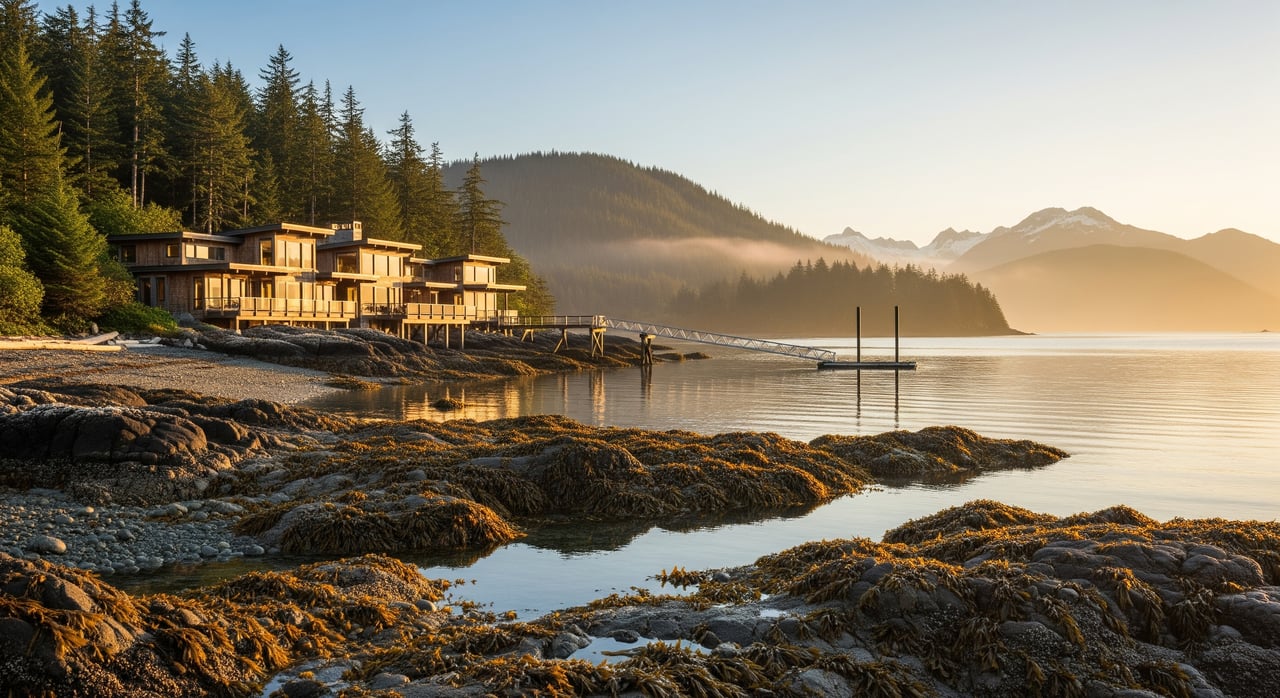
Tidelands, also called the foreshore, are the area between the mean high-tide line and the lower tidal datums. In Alaska, the State generally owns tidelands and submerged lands under the public trust, which protects navigation, fishing, and commerce.
Submerged lands are permanently underwater areas below the lowest tidal levels. These are typically state-owned as well.
A simple way to picture it: your deeded land reaches the legal high-water line. Seaward of that line, the State often controls use, and you may need authorization for structures or exclusive activities.
The mean high-tide line, sometimes listed as mean high water, is a technical, legal boundary. It is based on the average elevation of all high tides over a 19-year epoch. In practice, the true legal line is not always where drift logs or a “wet mark” appear.
To establish this line for your parcel, you typically need a boundary survey by a licensed Alaska land surveyor. Surveyors use NOAA tidal datums, local tide gauges, and the stated epoch to calculate the position. Always ask the surveyor to show the datum and epoch on the map and to clearly mark upland versus tideland.
The City and Borough of Sitka controls zoning and building permits on uplands. The Alaska Department of Natural Resources controls authorizations on tidelands and submerged lands, such as leases and easements. Federal agencies, including the U.S. Army Corps of Engineers, and state resource agencies like the Alaska Department of Fish and Game and the Department of Environmental Conservation, may also require permits for in-water work.
The takeaway is simple. If your plan touches the shoreline, check municipal, state, and federal requirements.
A DNR lease can authorize long-term, often exclusive or semi-exclusive use of a specific tideland area for purposes like floats, docks, marinas, shore protection, or aquaculture. Leases include rent, conditions, and periodic reviews. They do not transfer underlying state ownership.
Public trust rights may still apply even with a lease. For example, public navigation and fishing can be protected, and some leases require public access or specific habitat conditions. An authorization gives you rights to use tidelands for the approved purpose, not full fee-simple property rights like you have upland.
When you evaluate a property with a dock or float, check whether a DNR authorization exists, if it is current, and what it allows. The term, renewability, and conditions can affect financing, value, and resale.
Many DNR lease applications require public notice and a comment period. Neighbors or tribes may provide input. Environmental and cultural reviews are common, and agencies coordinate across habitat, water quality, and navigable waters authorities. Timelines can run months, and complex proposals can take longer. Budget for application fees, rent, and possible bonding or assurances.
If you plan to rely on a dock or float for daily life, build permitting time and approval risk into your purchase timeline.
Title and deed review
Commission a shoreline survey
Search DNR records
Confirm local rules with Sitka
Scope federal and state permits
Review environmental conditions
Understand tides and sea level
Cultural and subsistence context
Check financing and insurance
Vet lease terms
Access and moorage. Owning upland to the mean high-tide line gives you direct beach access above high water. Seaward uses typically require DNR authorization. Properties with secure, long-term moorage authorizations tend to be more attractive to boaters, though leases add ongoing costs and complexity.
Improvements and permanence. Building on tidelands, such as floats, pilings, and bulkheads, requires state and often federal permits. Timelines, costs, and uncertainties are different than building an upland shed or home.
Exclusivity and privacy. Tidelands are often accessible by boat to the public. Even with a lease, certain public uses can remain protected. Absolute exclusion is rare.
Financing and marketability. Lenders look at the security and term of any tideland authorization. A solid, transferable lease can streamline appraisal and financing. An expired or short-term lease can raise questions.
Risk exposure. Intertidal zones can be dynamic. Erosion, storms, and rising sea level may affect structures and access. Factor in long-term maintenance and insurance.
Taxes and fees. Upland is taxed as real property. Leasehold interests on state tidelands and improvements can be assessed differently. Confirm with the Sitka assessor.
On ocean coasts, water frontage rights are often called littoral rights. In Alaska, these rights can be limited where the State owns the foreshore. You have practical access to water, but seaward uses often require authorization.
Shorelines move. Natural accretion, erosion, and reliction can shift the mean high-tide line over time. The legal treatment of those changes depends on deed language and state law. Because tidal datums are defined over 19-year epochs, surveys should state the epoch used and how it informs the mapped boundary.
Upland lot, no dock history
Upland lot with an existing leased float
Deed references mean high water, no authorizations
If you are comparing tideland and upland options in Sitka, start with the survey and records search, then map your goals to the needed authorizations. A clear plan saves months later. If you want help aligning site options, docks, permits, and timelines, we are here to guide you from first look to closing with local stewardship and media-rich remote tours.
Ready to explore Sitka waterfront with confidence? Contact Beloved Alaska Realty to Request a Virtual Tour or Local Consultation.

I know that hard work, knowledge and dedication are required to earn my client's business, respect, and most importantly their trust. I would be honored to work with you in any real estate dealings