Sitka Housing Options From Town To Island Retreats
February 19, 2026
February 19, 2026
Thinking about a home in Sitka? Maybe you picture a walkable in-town house, a skiff-to-it cabin, or a true island hideaway. In a community spread across shoreline and nearby islands, every housing choice comes with unique logistics. In this guide, you’ll learn how each option works in real life, from access and utilities to permits, maintenance, and fit. Let’s dive in.
Sitka is a small, coastal municipality of 8,458 residents per the 2020 Census, spread across Baranof Island and surrounding waters. You get a friendly, low-density setting with many shoreline and island parcels. See the U.S. Census Bureau’s profile for a quick snapshot of population and housing context in the area. Census QuickFacts for Sitka
Sitka is not connected by road to the rest of Alaska. Most travel happens by air, floatplane, or the state ferry, which also shapes how supplies, building materials, and people move. For schedules and context, check Visit Sitka’s getting here guide. The marine climate brings frequent rain and salt-laden air, so exterior materials and systems need weather-ready choices and steady upkeep. Review local climate normals from the Sitka Airport station to understand precipitation and seasonal ranges. Sitka Airport climate normals (NOAA)
In-town homes sit within the roaded parts of Sitka and nearby neighborhoods, often on conventional city lots. Many are served by municipal water and sewer and fall under standard single-family definitions in the city’s code. You’ll find the simplest lending and insurance options here. See zoning and dwelling definitions in the Sitka municipal code.
You can reach groceries, schools, the airport, and the ferry within a short drive or bike ride in most cases. Trades and freight are more accessible here than in remote areas, which helps with remodels, deliveries, and seasonal maintenance.
Most in-town properties connect to municipal utilities. Building permits, water and sewer hookups, and inspections are handled by City and Borough of Sitka Public Works and Engineering. You can confirm service and permit steps with City of Sitka Engineering.
Even in town, Sitka’s wet, marine climate means you need to plan for roof drainage, corrosion protection, and careful exterior finishes. Expect more frequent inspections of paint, fasteners, and mechanical systems than you might in drier climates.
• Families and year-round residents who want convenience and municipal services.
• Buyers who prefer straightforward financing and faster emergency response.
Duplexes, triplexes, small apartment buildings, and ADUs exist in select zones. Inventory is limited, but these properties can pair housing with rental income or multi-generational living. Zoning and use definitions are outlined in the Sitka municipal code.
Multifamily projects typically require building permits, occupancy compliance, and parking considerations. If a property is not on municipal sewer, on-site wastewater permits and septic certifications are key to both habitability and financing.
• Local investors, owner-occupants seeking rental income, or families planning a shared living setup.
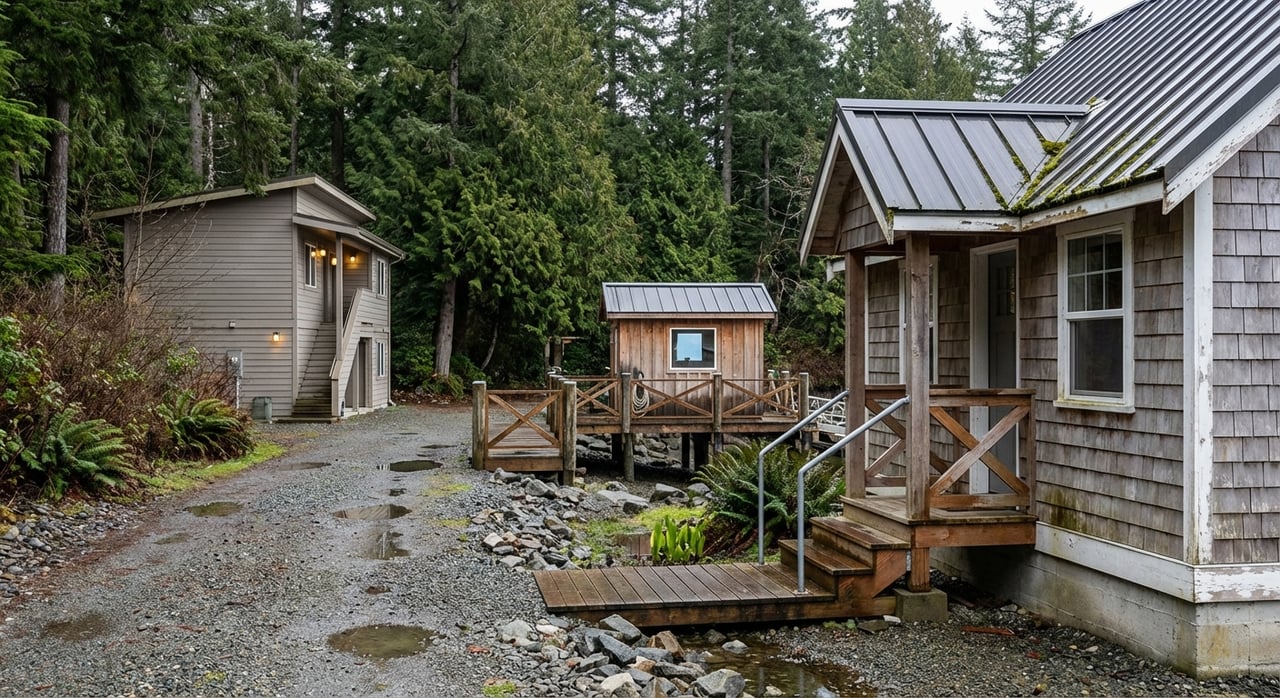
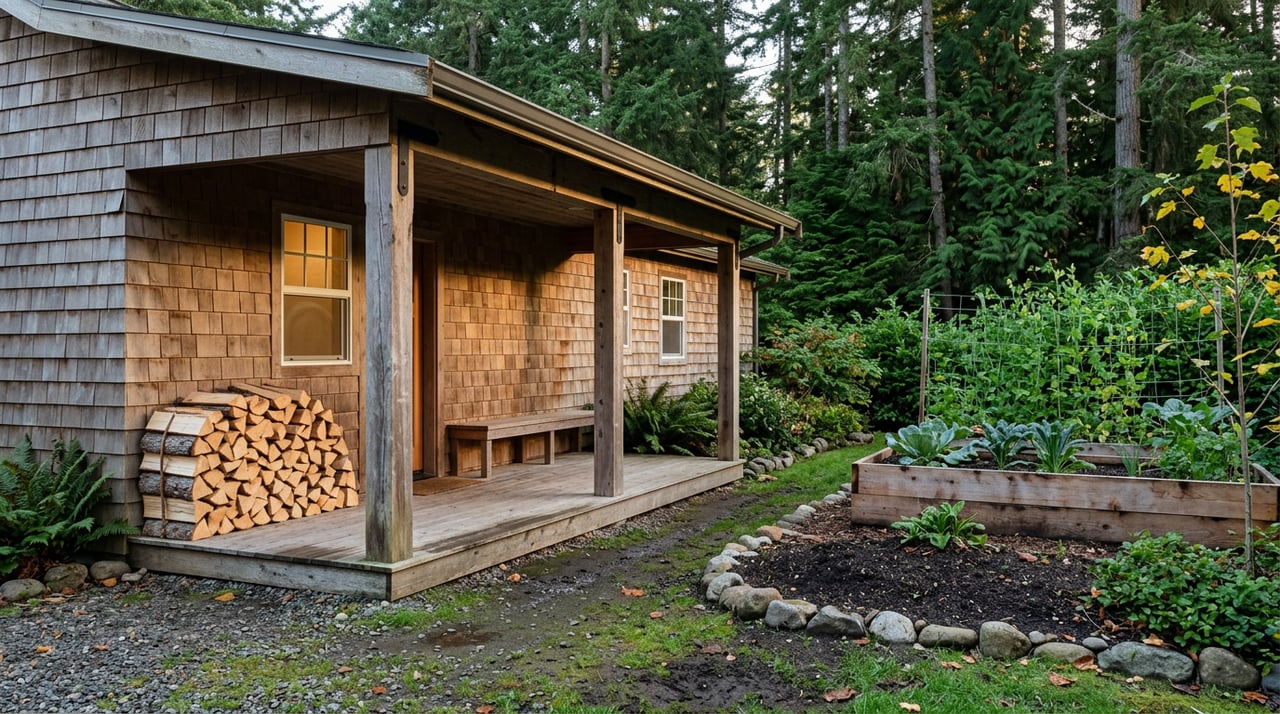
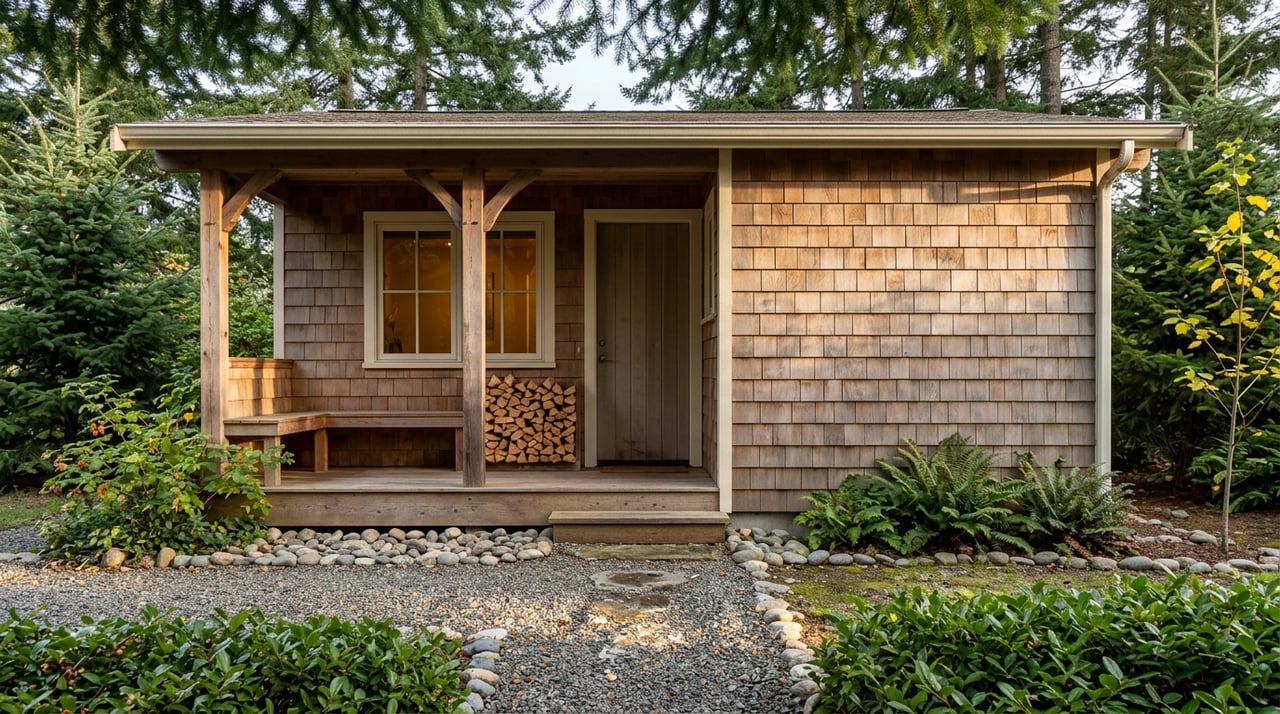
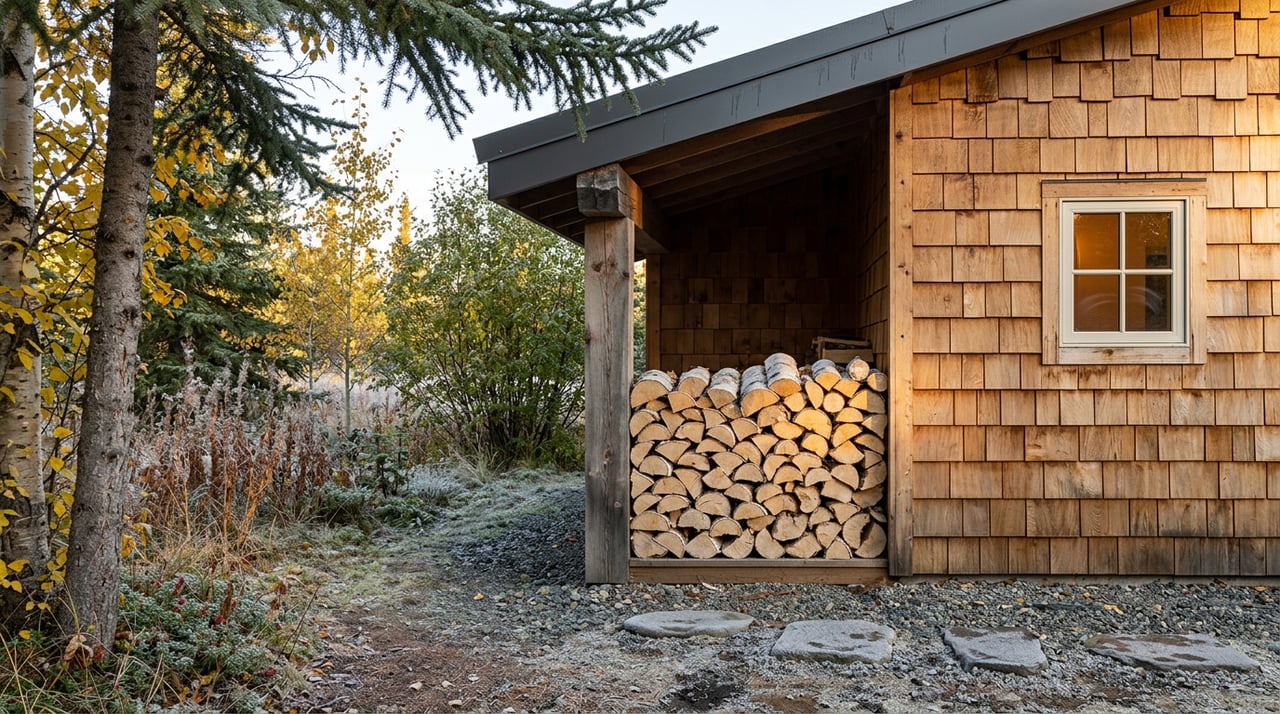
These cabins sit on shoreline parcels or small islands with no year-round road connection. Listings often note “boat access” or “floatplane access.” They range from simple seasonal cabins to well-built, year-round waterfront homes.
Your skiff or water taxi becomes your driveway. Weather and sea conditions affect schedules and safety. In town, slips and transient moorage are assigned and regulated by the Harbormaster, so verify space and rules before you buy. Review rules and contacts in the Sitka Harbor Regulations.
Most boat-access homes use off-grid systems such as rain catchment, private wells, septic or holding tanks, propane, generators, and solar. Docks, floats, and mooring buoys often require state tideland authorization and may also need federal review for in-water work. Learn about tideland oversight from the Alaska Department of Natural Resources and federal permitting from the U.S. Army Corps of Engineers. ADNR special-use and tideland guidance | USACE permit overview
Salt spray, humidity, and wave action accelerate wear on docks, piles, floats, and exterior finishes. Budget for more frequent inspections, set-aside funds for marine infrastructure, and seasonal repair windows.
• Buyers who want privacy, easy access to fishing and paddling, and are comfortable with boats and off-grid systems.
Island retreats deliver solitude and big views, often with private uplands and state-owned tidelands below the high-water line. Titles, recorded easements, and land status can be complex, so document access, shoreline rights, and any special-use restrictions. Start with state guidance on tidelands and special-use areas through ADNR.
You will rely on private boats, barges, or floatplanes for people, fuel, and materials. Seasonal weather narrows building and delivery windows, which affects timelines and costs.
Expect full off-grid planning: power generation, battery storage, fuel logistics, and water systems. Shoreline work almost always adds permitting steps, and some insurers may limit coverage in remote locations. For in-town context on power supply, Sitka primarily uses local hydropower from Blue Lake and Green Lake. See the city’s background on energy history and planning. City of Sitka energy history
• Buyers who prioritize solitude and wilderness access, and who are comfortable managing long supply chains and seasonal operations.
If you want everyday convenience and easier underwriting, in-town single-family or small multifamily probably fits best. If privacy and direct access to the water drive your decision, a boat-access cabin or island retreat can be worth the added logistics. Wherever you land, the smartest move is to line up access, utilities, permits, and maintenance plans on paper before you write an offer.
Ready to see your options up close, even from afar? With immersive media and local stewardship, we make Sitka’s distinctive properties clear and transactable. Reach out to Suzanne Marina Jasso to Request a Virtual Tour or Local Consultation.

I know that hard work, knowledge and dedication are required to earn my client's business, respect, and most importantly their trust. I would be honored to work with you in any real estate dealings