Choosing Between Sitka Waterfront and Upland Homes
January 1, 2026
January 1, 2026
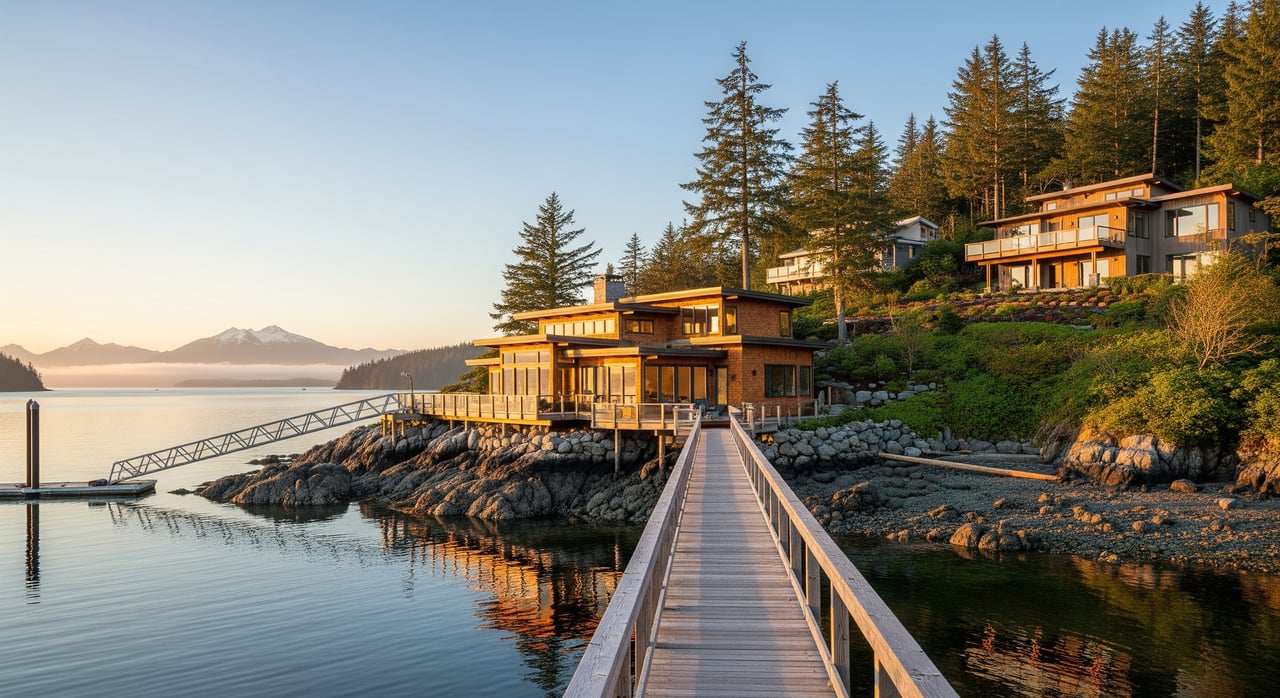
Is your Sitka dream a front-row view of Sitka Sound or a drier, low-upkeep home uphill? Both choices can fit well here, but they come with very different costs, logistics, and risks. In this guide, you’ll compare the real tradeoffs for Sitka’s island setting, get a clear decision framework, and walk away with a practical checklist to use before you write an offer. Let’s dive in.
Sitka sits on Baranof Island and is reached mainly by air or ferry. That means building materials, specialty services, and contractors can cost more and take longer to schedule than in road-connected cities. Plan for longer lead times when you need repairs or upgrades.
The climate is maritime with frequent precipitation, cool summers, and salt air. Exterior systems can corrode and wear faster than in drier places. Homes need materials suited to wet, salty conditions and more regular maintenance.
Coastal hazards exist. Storm surge, high surf, erosion, and tsunami risk are part of coastal Alaska. Before you buy waterfront, review FEMA flood maps, local tsunami evacuation maps, and any site history for erosion or shoreline change.
Waterfront features like direct access, docking rights, and unobstructed views often carry a price premium. In Sitka’s small market, usable-dock listings can be scarce, which may support higher prices. That scarcity can also mean a narrower buyer pool when you go to resell, so days on market may differ from upland homes.
Because Sitka’s market is thin compared with big cities, use recent local comps rather than statewide or national averages. Ask for waterfront and upland comparables and discuss likely buyer pools so you can plan for both your purchase and your future resale.
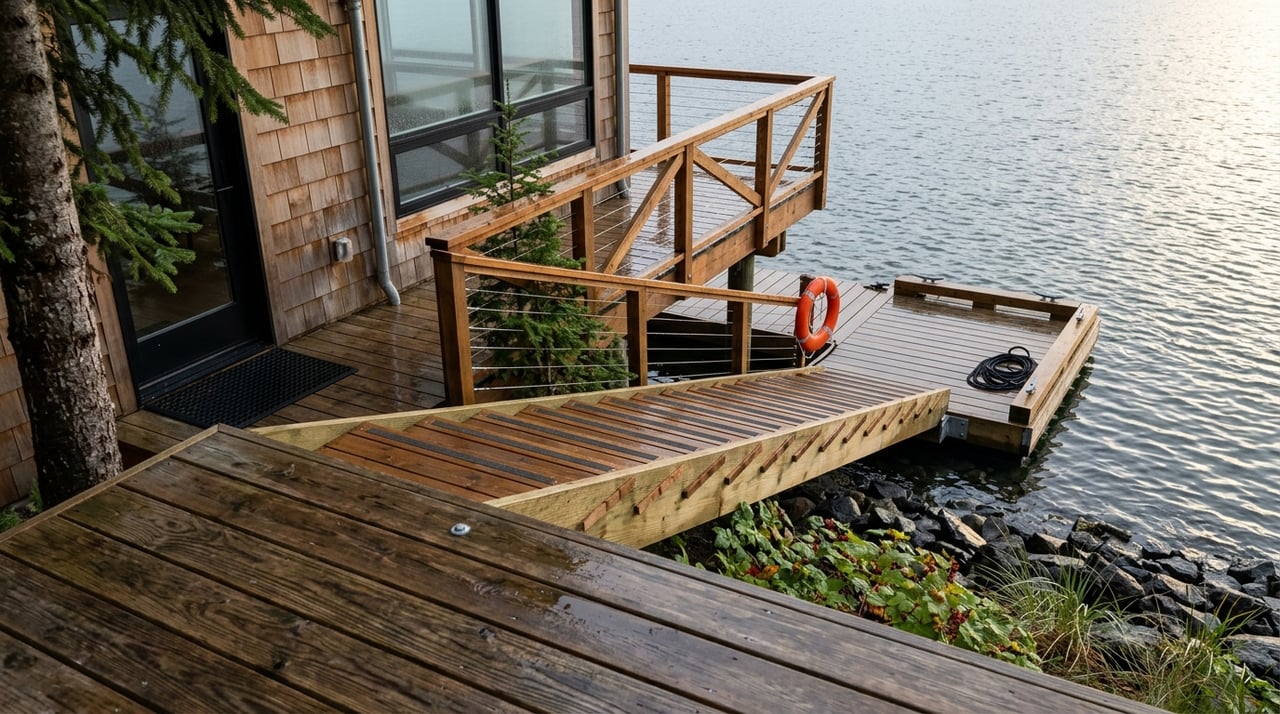
Waterfront homes can make boating and gear staging much easier. If you have a dock or moorage rights, that convenience is hard to beat. Some waterfront parcels, however, are accessible mainly by water, and parking or road access can vary.
Upland homes usually mean easier deliveries, simpler maintenance staging, and predictable road access. You may be closer to shops and services depending on the neighborhood. If water access matters, plan for a short drive to a public launch or town docks.
In developed areas, municipal water and sewer may be available, but remote waterfront parcels can rely on wells, hauled water, or septic systems. Confirm what is on site, what it costs to connect, and any hookup fees.
Docks, pilings, and shoreline structures often require state and federal permits, and sometimes local approvals. Replacing an existing dock can still trigger permits. Tidelands and submerged lands in Alaska are often state-owned, so verify any tideland grants, leases, or easements.
Local code and setback rules also apply. Shoreline stabilization is regulated because of habitat impacts. Before you buy, build a due-diligence checklist for utilities and permits, and factor the time and cost to secure approvals.
Waterfront owners should budget for dock and piling work, float maintenance, corrosion-resistant fittings, and faster exterior paint and roof cycles. Wet conditions increase the risk of rot and mold, especially in splash zones and poorly ventilated areas.
Upland owners usually avoid marine-specific upkeep but still need solid drainage and regular exterior care because of heavy precipitation.
Insurance can cost more on the water. Lenders may have extra requirements for unique access or marine structures. Standard homeowner policies exclude flood damage, and flood insurance may be required in mapped Special Flood Hazard Areas. Some coastal inundation types are not covered by standard flood policies, so understand coverage limits and exclusions.
Sitka is in a seismically active region with real tsunami considerations. Check tsunami evacuation maps and confirm how a property’s elevation and location fit within local guidance. Learn whether the shoreline faces erosion or high surf and ask for any available history or surveys.
If coastal hazards are a concern, target higher-elevation upland parcels above mapped flood and tsunami zones. Add a geotechnical or shoreline stability review when appropriate.
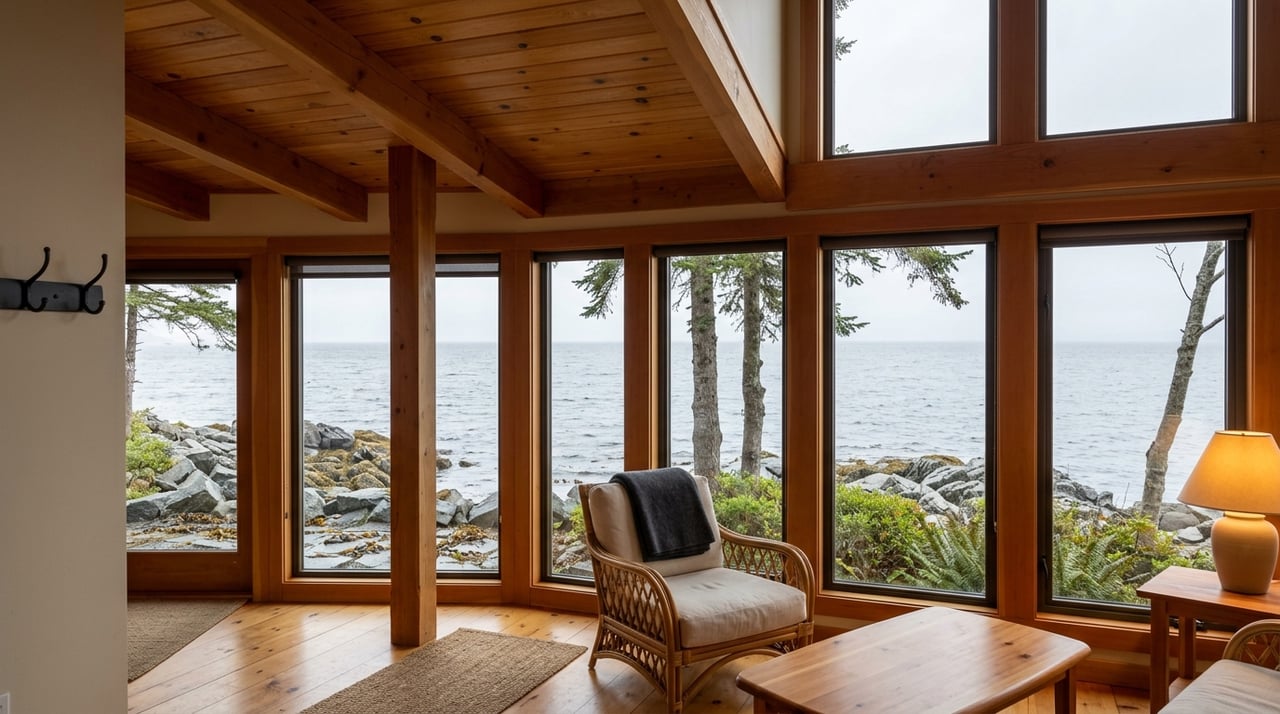
A waterfront lifestyle puts the marine environment at your doorstep. You can stage gear, keep a boat close by, and enjoy water-centric routines. The price is more maintenance, more permitting, and higher exposure to storms.
An upland lifestyle often means smoother day-to-day living with simpler utilities and lower upkeep. You can still enjoy views from elevated parcels and reach town docks or launches by a short drive.
Score each item 1 to 5 and circle your top priorities:
If boat access and daily marine use score high, weight waterfront more. If low maintenance, easy access, and predictable costs score high, weight upland more.
Your best fit comes down to your daily life, your risk and maintenance tolerance, and your budget for both purchase and upkeep. In Sitka’s island market, site-specific due diligence makes all the difference, especially for docks, tidelands, utilities, and hazard exposure.
If you want a local, steady hand to help you weigh tradeoffs, line up inspections, and understand permits before you commit, reach out to a neighbor who does this every day. Request a Virtual Tour or Local Consultation with Suzanne Marina Jasso.
I know that hard work, knowledge and dedication are required to earn my client's business, respect, and most importantly their trust. I would be honored to work with you in any real estate dealings