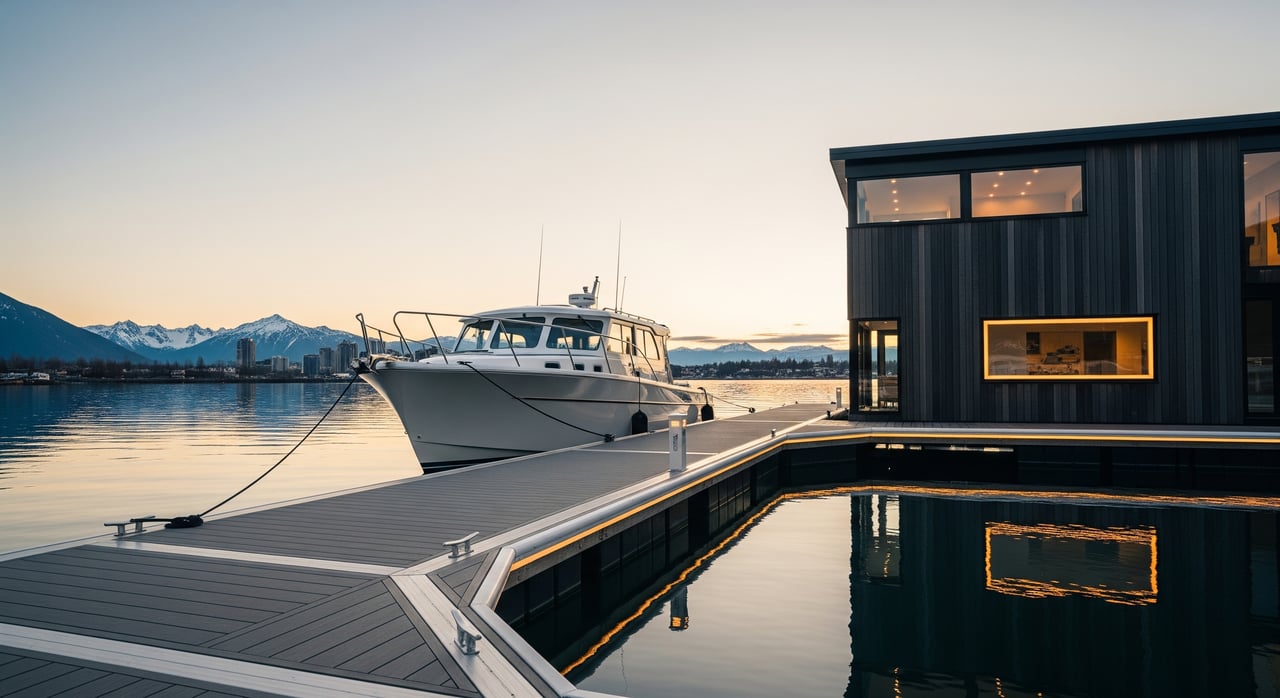
Southwest Alaska Boat Moorage Choices from Anchorage
December 18, 2025
December 18, 2025
If you plan to enjoy Southwest Alaska by water while living in Midtown Anchorage, you need a clear plan for where your boat will live and how you will access remote coastlines. The logistics can feel complex, especially when tides, weather, and limited infrastructure come into play. This guide breaks down practical moorage options, key rules, real costs, and due diligence steps so you can make confident choices. Let’s dive in.
Anchorage gives you air, road, and service advantages that make staging Southwest Alaska trips more manageable. From Midtown, you can access haul-out facilities, trailerable boat launches, and aviation connections. At the same time, Cook Inlet’s powerful tides and mudflats limit casual daily boating around town, so most owners base their vessels in managed harbors or use a mix of boat and floatplane logistics.
Your approach should match how often you travel, vessel size, and comfort with remote operations. The sections below outline the main options and the trade-offs you will want to consider.
Community harbors or marinas provide managed slips, mooring systems, utilities, and onshore services. You benefit from security, fuel and electricity access, pump-out services, and easier winter storage. This is a strong choice for frequent trips to Southwest Alaska or for larger vessels that need reliable infrastructure.
Expect slip fees, waitlists, and rules. Some facilities have size limits or municipal regulations. Because these sites are often on state tidelands, permits and environmental reviews are standard for expansions or changes.
If you own a suitable waterfront parcel, a private dock or covered boat house can offer direct access and privacy. The convenience is hard to beat if your site has adequate depth, shelter, and stable shoreline conditions.
However, up-front construction and long-term maintenance costs can be significant. You also need to navigate state and federal approvals for structures in navigable waters and fish habitat. Storm exposure and winter conditions increase design needs.
Seasonal moorage, guest moorings, and protected anchorages can keep costs down if you visit only in summer. These options are flexible and common for owners who base in Anchorage but spend peak season in Southwest Alaska.
The trade-off is fewer services and no winter storage. You will need to plan around weather and tides, and monitor your vessel closely in busy months.
For small boats and skiffs, beach landings are common in remote communities. You can haul out manually or with small trailers when the beach substrate and slope allow.
This approach is low cost, but it is vulnerable to surf, wind, and tide changes. It is not a fit for larger vessels or longer trips from Anchorage. In some places, landings may be seasonally restricted or culturally sensitive.
Floatplanes are essential for many point-to-point trips in Southwest Alaska. From Anchorage, Lake Hood connects you to seaplane operations that can complement your boat logistics.
Floatplanes help you bypass long travel legs, but you must plan around weather, cargo limits, and coordination with marine schedules. Tie-up rules and seasonal policies apply at seaplane bases.
Public launches, travel lifts, and yard services are key if you trailer a boat or need winterization. Capacity is limited in many Alaska communities, especially in peak season. Reserve early and build time into your plan for haul-out and repairs.
Anchorage and Cook Inlet have a large tidal range with extensive intertidal flats. Depth can change rapidly, and access windows narrow at low tide. Fixed low piers are often impractical. Float docks and deep-water slips are preferred where conditions allow.
Before you commit to a moorage plan or a waterfront property, verify channel depth at mean low water and understand how seasonal conditions affect access.
Southwest Alaska experiences strong winds, shifting sea states, and in some areas seasonal sea ice. Anchorage can see hazardous ice conditions and strong tidal currents in winter.
Choose mooring hardware, dock design, and vessel type that match local exposure. Well-sheltered moorage is safer and may reduce insurance and maintenance costs.
Many Southwest Alaska communities have scarce marina services, limited fuel options, and fewer repair yards. If you plan frequent runs from Anchorage, you will need conservative fuel planning, spare parts, and contingency days for weather.
Larger vessels with longer range or a hybrid schedule that incorporates floatplanes can reduce delays and risk.
Nearshore waters are often important fish habitat. Dock or shoreline projects commonly face environmental review, seasonal construction windows, and mitigation requirements such as light-penetrating grating.
Build these factors into your design early so you do not face costly rework later.
Permitting is site-specific, but you will usually coordinate with these authorities. Check early in escrow, because unresolved permits can limit moorage use or force removal of structures.
ADNR manages state-owned tidelands and submerged lands and issues leases or permits for use. Confirm ownership of tidelands at your parcel, and whether you need a lease or other authorization for a dock or marina.
ADF&G reviews projects that affect fish and habitat. Expect review of dock designs, potential mitigation, and seasonal work windows to avoid sensitive periods.
USACE permits may be required for structures, fill, and dredging in navigable waters and wetlands. Section 10/404 authorizations are common for marine projects.
Expect local building permits, setback rules, and harbor management policies. Coordinate with harbor masters for slip rules, waitlists, and emergency access.
Floatplane tie-up rules and safety zones are coordinated through airport authorities. Lake Hood operations in Anchorage have specific policies for seasonal dock usage.
The Coast Guard focuses on navigation safety and search and rescue coordination. Ensure moorage does not obstruct channels and confirm you have reliable communications.
Plan for the full lifecycle of ownership, not just construction or slip fees. Costs vary by site, vessel, and exposure.
Risk factors that increase costs include high exposure to storms or ice, remote service calls, and environmental mitigation requirements. Get recent quotes from local marinas and marine contractors, and review maintenance records for any existing structures.
Use this list when evaluating a property or choosing a moorage plan from Anchorage. Gather documentation early to avoid surprises.
A simple, resilient plan often blends multiple access modes. Consider these approaches to reduce risk and control costs.
If you are weighing Anchorage access with Southwest Alaska boating, the right plan will save you time, protect your vessel, and help you enjoy the water season after season. Our team helps buyers evaluate waterfront and remote-property logistics so your moorage and access strategy is clear before you close.
Ready to explore properties and plan your access with confidence? Connect with Suzanne Marina Jasso to Request a Virtual Tour or Local Consultation.

I know that hard work, knowledge and dedication are required to earn my client's business, respect, and most importantly their trust. I would be honored to work with you in any real estate dealings