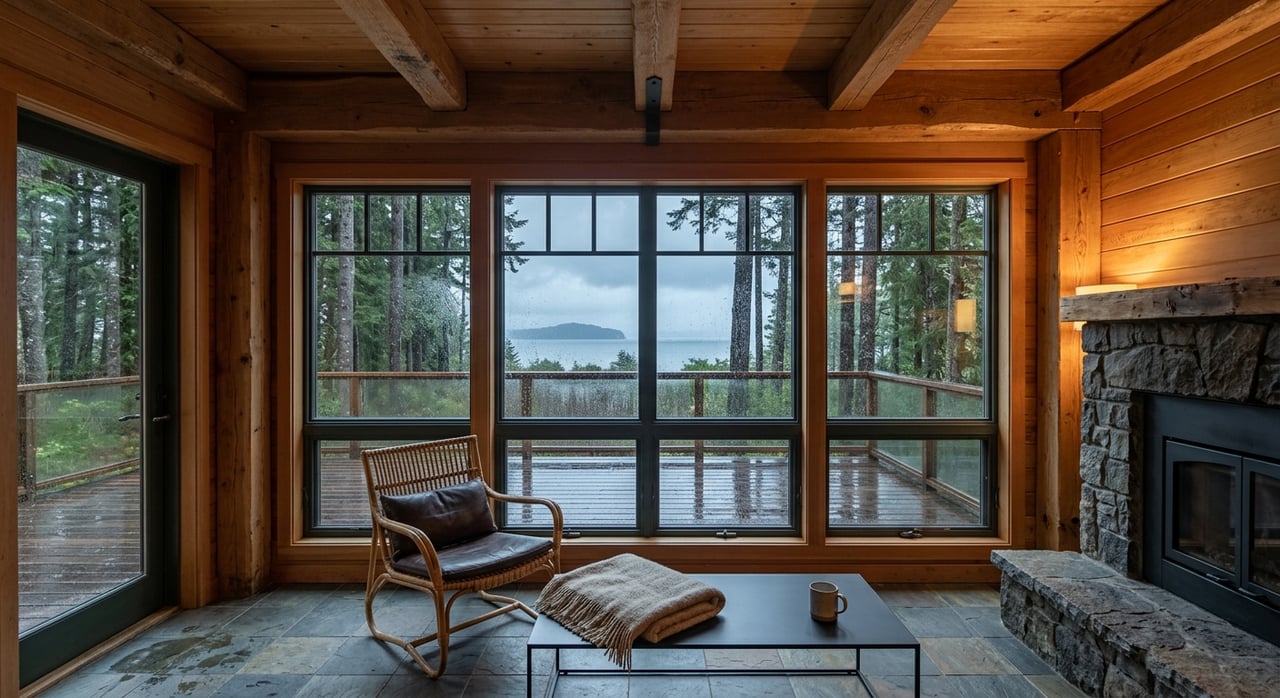
How 3D Tours Help Sell Remote Southeast Alaska Property
June 4, 2026
June 4, 2026
If you are selling a property in Sitka or elsewhere in Southeast Alaska, you are not just marketing a house or parcel. You are helping buyers understand a place they may not be able to reach quickly, easily, or often. That is why the right media can do more than make a listing look good. It can answer real questions, save wasted trips, and build confidence before a buyer ever books a flight. Let’s dive in.
Sitka is not a drive-through market. The State of Alaska describes Sitka as being on Baranof and Chichagof islands, accessible only by boat or plane, with about 14 miles of road. That alone changes how buyers shop for property.
In many Lower 48 markets, buyers can add a few homes to a Saturday tour and compare them in person. In Sitka, especially for remote or off-grid property, that is often not realistic. Buyers may need to sort through access details, site conditions, utilities, and layout questions long before an in-person visit makes sense.
That is especially true for parcels and homes with more complex logistics. Alaska DNR notes that legal access to a parcel may not be developed or practical, and the state is not required to build roads or provide services to a subdivision or parcel. For buyers, that makes early due diligence a key part of the shopping process.
Today’s buyers often start online. According to NAR’s 2024 Generational Trends report, 52% of buyers found the home they purchased through the internet, and 59% said finding the right property was the hardest step. Buyers also spent a median of 10 weeks searching and viewed a median of seven homes.
That means your listing has to help buyers narrow their choices quickly. If a remote property does not answer basic questions early, many buyers will move on before they ever reach out.
Buyer research also shows that visuals matter. Among buyers who used the internet, photos were the most useful website feature for nearly nine in 10 buyers age 58 and under. Zillow’s 2025 prospective-buyer research also ranked floor plans first, high-resolution photos second, and 3D or virtual tours third among the most important listing features.
In other words, buyers still want strong photos, but they also want tools that help them understand how a property actually works. That is where 3D tours stand out.
A good 3D tour does something still photos cannot fully do. It lets you move through the space and see how rooms connect, how wide areas feel, and how the floor plan functions from one section to the next.
Matterport describes 3D tours as interactive digital models buyers can control from any device, almost like a 24/7 open house. That matters in Southeast Alaska, where buyers are often evaluating a property from far away and trying to decide whether a trip is worth the time and cost.
For a remote seller, that can be a major advantage. Instead of asking buyers to imagine the layout from a handful of photos, a 3D tour gives them a clearer sense of the home before they ever step inside.
Video walkthroughs can be helpful, but they move in one direction and one speed. A 3D tour is different because buyers can pause, back up, zoom in, and revisit spaces that matter to them.
That self-guided experience is useful when a buyer is comparing multiple properties from another city or state. They can return to the listing later, review details again, and share the tour with a spouse, business partner, or family member.
For sellers, that means your listing keeps working even when you are not hosting a showing. It gives buyers time and space to study the property on their own schedule.
Not every buyer will purchase remotely, and most still want to visit in person before closing. But immersive media can help buyers screen properties more effectively before they travel.
NAR’s REALTORS® Confidence Index reported that 6% of buyers purchased based only on a virtual tour, showing, or open house without physically seeing the home. While that is a small share, it still shows that digital tools can play a meaningful role in decision-making.
More often, a 3D tour helps buyers decide whether a property belongs on their serious shortlist. In a place like Sitka, where travel can involve more planning, that can save time for both buyers and sellers.
For many Sitka-area listings, buyers are not just asking, “Is the kitchen updated?” They are asking how they get there, what access is legal and practical, and what services exist.
A DNR land-sales example in Nakwasina Sound shows just how many details can affect a buyer’s decision. The example includes boat access from Sitka, possible floatplane access, no municipal water or sewer, no current utilities, undeveloped access easements, open-space zoning, steep bluffs and wetlands, and a 100-foot building setback from Sitka Sound.
That is a lot to absorb. A 3D tour cannot answer every land-use or access question, but it can help buyers understand the structure itself while the listing also provides clear written context about access, utilities, easements, and zoning.
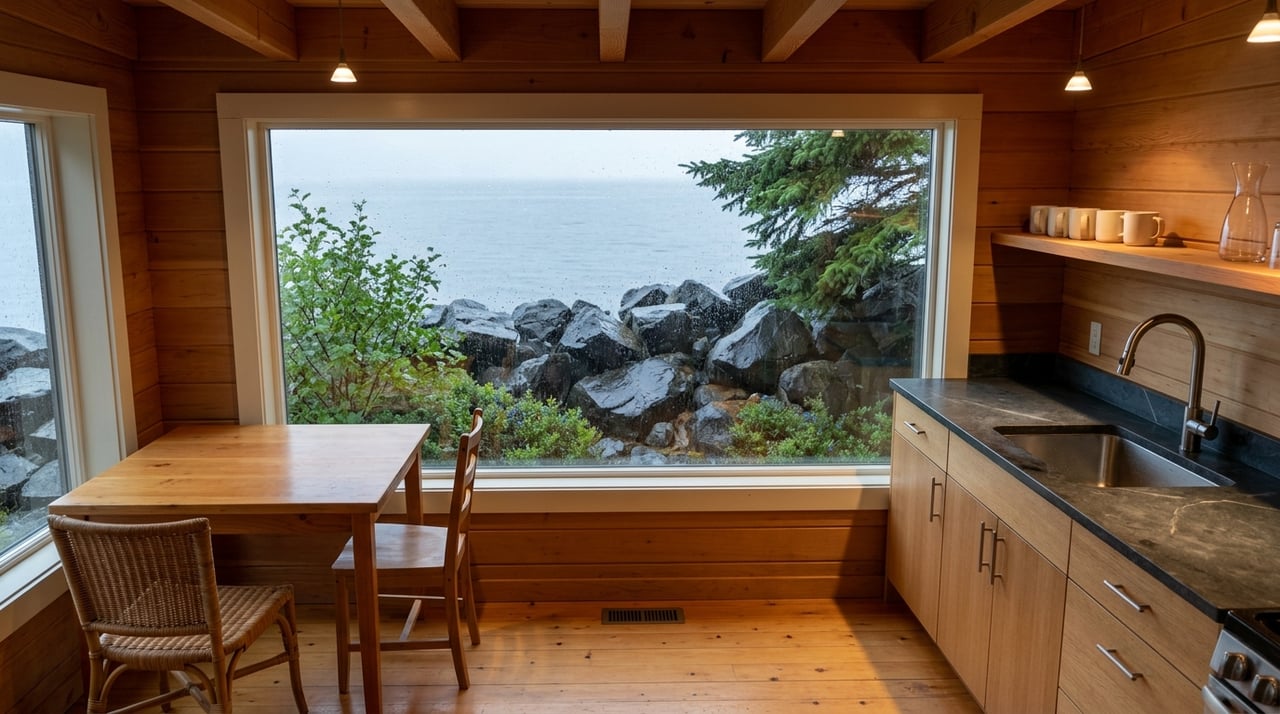
Southeast Alaska listings often have stunning views, waterfront settings, and one-of-a-kind character. Those qualities matter, but beauty alone is not enough when a buyer is trying to make a practical decision from far away.
That is why the strongest listing packages combine several tools. Professional photos help buyers judge finishes, views, light, and presentation. A 3D tour helps them understand the interior layout. Aerial imagery helps them see the lot, shoreline, roofline, outdoor space, and surrounding setting.
Together, those pieces create a fuller picture. They help buyers move from curiosity to informed interest.
Photos are still the first step for most buyers. They are fast to scan and easy to compare across listings. Strong photography gives buyers an immediate sense of condition, style, natural light, and views.
That first impression matters because many buyers decide in seconds whether to keep exploring. If the photos are weak, they may never reach the 3D tour.
Once photos get attention, the 3D tour helps answer the next set of questions. How do the rooms connect? How open or closed does the layout feel? How does the interior actually live from one area to another?
For homes, cabins, lodges, and other distinctive properties, this is often the point where buyers start picturing real use. That shift can make a listing feel more concrete and credible.
Drone stills and aerial video can show what ground-level images cannot. According to Zillow’s visual media guidance, aerial imagery helps show roof condition, how a home sits on the lot, surrounding outdoor space, nearby structures, shoreline, and access routes.
That is especially useful in Sitka and across Southeast Alaska, where the site itself may be a major part of the property’s value and complexity. For waterfront, island, and remote listings, aerial context is often essential.
Media is powerful, but it should not stand alone. Alaska DNR guidance on access makes it clear that legal access and practical access are not always the same thing.
That is why clear written information matters so much. A strong listing should explain what is known about access, utilities, easements, and development limits in simple, direct language. Buyers need both the visuals and the facts.
When your property is hard to reach or unusual in some way, your buyer pool may include people from outside the immediate area. Those buyers often rely on digital tools to decide which properties deserve deeper attention.
A better media package helps your listing compete for that attention. It can also make your property feel more transparent, which builds trust early in the process.
That matters because buyers are already doing a lot of sorting online. If your listing answers more questions upfront, you are more likely to attract serious inquiries instead of casual clicks.
For sellers, the goal is not just more exposure. It is better-qualified interest from people who understand what they are looking at.
Technology helps reduce distance, but it does not replace local knowledge. In a market like Sitka, the best results come from pairing immersive media with accurate, place-specific guidance.
That means knowing how to present a property clearly and how to frame the details buyers care about most. On remote and waterfront listings, those details often include access, utilities, physical setting, and realistic use of the property.
A boutique brokerage with local roots and a media-forward approach can be especially valuable here. When your listing is supported by professional photography, Matterport 3D tours, drone videography, and hands-on local stewardship, distant buyers have a much better chance of understanding the opportunity before they travel.
If you are thinking about selling in Sitka or elsewhere in Southeast Alaska, the right marketing package can do more than showcase your property. It can help buyers evaluate it with greater clarity and confidence. To talk through what that could look like for your listing, reach out to Suzanne Marina Jasso.

I know that hard work, knowledge and dedication are required to earn my client's business, respect, and most importantly their trust. I would be honored to work with you in any real estate dealings