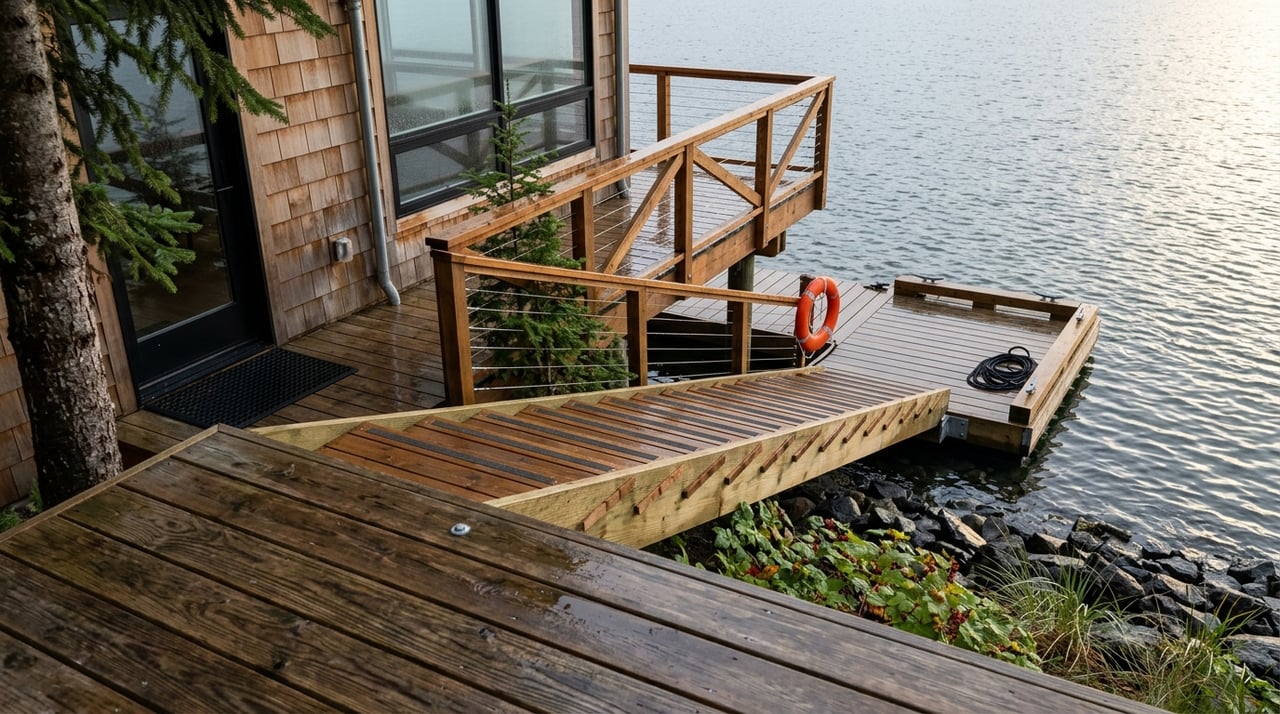
What Sellers Should Know Before Selling a Sitka Waterfront Home
June 25, 2026
June 25, 2026
Wondering whether selling a Sitka waterfront home is just like selling any other property? It usually is not. Between tides, shoreline rights, permits, weather exposure, and buyer questions about docks and access, waterfront sales often need more preparation up front. If you plan ahead, you can reduce surprises, present the property clearly, and help buyers feel more confident. Let’s dive in.
A Sitka waterfront home offers something special, but buyers also know waterfront ownership comes with extra moving parts. They want to understand not only the house, but also how the shoreline, access, utilities, and structures function in real life.
That matters in Sitka because local conditions are significant. NOAA climate normals for Sitka Airport show a mean annual temperature of 45.4°F and annual precipitation of 84.47 inches, with June as the driest month and October as the wettest. In practical terms, late spring and summer often give you the best chance for exterior prep, photos, dock checks, and smoother showings.
Waterfront homes can look very different from one day to the next. Light, rain, wind, and tide level can all change how buyers experience the property, especially if the home includes a dock, float, beach, or shoreline access route.
NOAA’s Sitka tide station shows a mean tidal range of 7.7 feet, with a highest observed tide of 14.88 feet. That is a big reason to document the property at more than one tide stage. A path, float, or beach landing that seems simple at one tide may look very different at another.
Before listing, it helps to gather photos or video that show how the waterfront functions during typical lower-water and higher-water conditions. This gives buyers a more complete picture and can answer questions before they become objections.
If your dock or float is most usable at a certain tide stage, that should be shown clearly in your marketing package. Buyers from outside Sitka may not know how much conditions can shift, so clear visual context matters.
Because Sitka receives substantial annual rainfall, exterior maintenance and staging are easier when timed around drier periods. That can include touch-up painting, clearing shoreline debris, improving walkways, and scheduling professional photography.
The goal is not to wait for perfect weather. The goal is to choose the most practical window for showing the property at its best while still being honest about real coastal conditions.
One of the biggest waterfront sale issues in Sitka is understanding what is privately owned and what is not. Buyers often ask whether the dock, float, beach access, or mooring setup actually conveys with the home.
According to Alaska DNR, most tide and submerged lands along the state’s coastline are state-owned. DNR defines tidelands as the land between mean high tide and mean low tide, while submerged lands extend seaward from mean low tide to three miles offshore.
That means a waterfront seller should verify whether a dock, float, mooring buoy, ramp, or shoreline improvement sits on private upland, state tideland, or an authorized easement area. If you already have surveys, permits, leases, easements, or approvals, gather them early.
This is one of the most important parts of pre-listing preparation because buyers and lenders may want clarity before moving forward. The cleaner your documentation, the easier it is to explain what the buyer is actually purchasing.
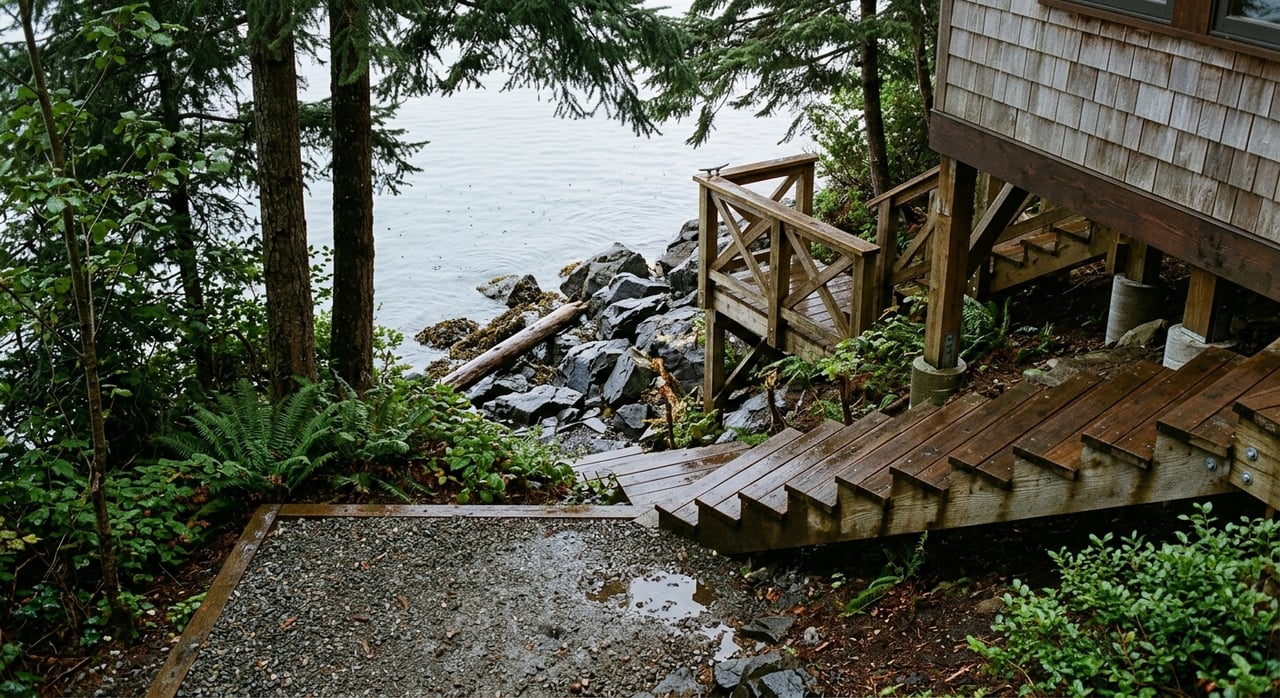
Alaska DNR also notes that legal access does not necessarily mean improved or existing access. In other words, a property may have legal access on paper, but that does not automatically mean the route is simple, built out, or usable in the way a buyer expects.
For a waterfront listing, that makes it important to describe access accurately. If the shoreline route changes with tide or weather, that is useful information to present up front.
If your property includes a dock, float, or relies on nearby harbor moorage, expect detailed buyer questions. They may want to know what is permitted, what transfers, and whether any use depends on separate approvals or assignments.
In Sitka, the Harbor Department operates and maintains five city harbors, and harbor rules prohibit storage on floats, docks, or gangways. If your sale depends in any way on harbor access or moorage, it is smart to spell out exactly what rights and arrangements are part of the transaction and what is not.
A strong waterfront listing file often includes:
Having these items ready can reduce delays once a buyer starts due diligence.
Waterfront buyers tend to look closely at additions and exterior improvements. Decks, retaining elements, stairs, fills, shoreline work, and accessory structures can all attract attention during the sale process.
Sitka’s Building Department states that a permit is required before a structure is constructed, altered, enlarged, repaired, moved, improved, renovated, or demolished. The city also notes that unpermitted work can lead to doubled permit fees, stop-work orders, or even removal or repositioning of structures.
The city further states that financing or insurance may be difficult or impossible if work was not inspected. That means unpermitted work is not just a paperwork issue. It can affect a buyer’s ability to close.
Before listing, review what has been built or changed over the years. If anything is unclear, gather records and address questions early instead of waiting for them to surface during escrow.
Any waterfront property can raise questions about water risk. In Sitka, buyers may ask about flooding, storm impact, erosion, drainage, and shoreline stability.
NOAA’s Alaska coastal hazards materials note that Alaska shorelines are affected by wind, waves, currents, storm surge, high water, erosion, and tsunamis. That does not mean every Sitka waterfront property has the same level of risk, but it does mean buyers will want property-specific context.
FEMA identifies its Flood Map Service Center as the official public source for flood hazard information. If a property is within a Special Flood Hazard Area, a federally regulated or supervised lender may require flood insurance in participating communities.
For sellers, the practical move is to check flood map status early and gather any supporting documents you already have. If buyers need to evaluate insurance costs or lending requirements, early clarity helps keep the sale on track.
Waterfront and remote-feeling properties often prompt assumptions about utility service. Do not leave that to guesswork.
The City and Borough of Sitka provides electricity, water, wastewater, and refuse collection, and its wastewater system serves nearly 98% of the city’s population. Before listing, confirm whether your home is connected to city utilities or relies on private or off-grid systems.
Buyers appreciate specifics. If the property is city-served, say so clearly. If it uses a private setup for any service, explain that clearly too.
This is especially important for out-of-area buyers who may be comparing your property with remote or partially serviced properties elsewhere in Alaska.
Great waterfront marketing should do more than show a view. It should help buyers understand how the property works.
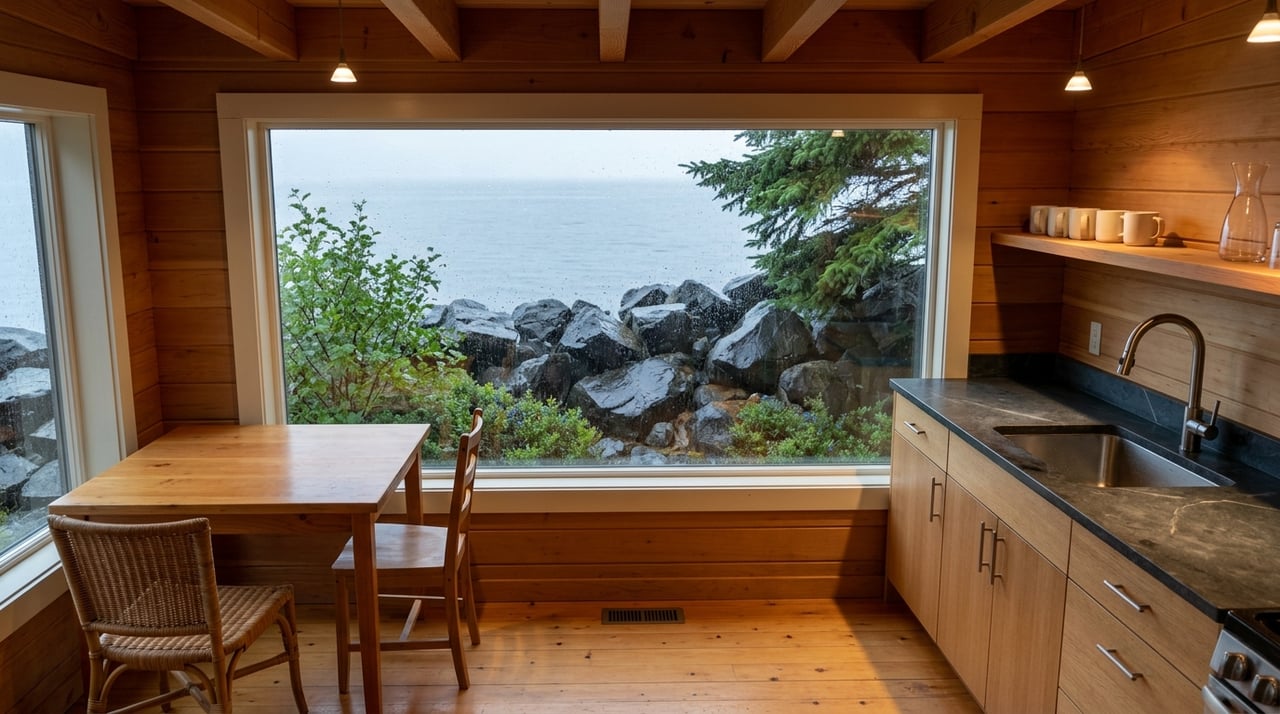
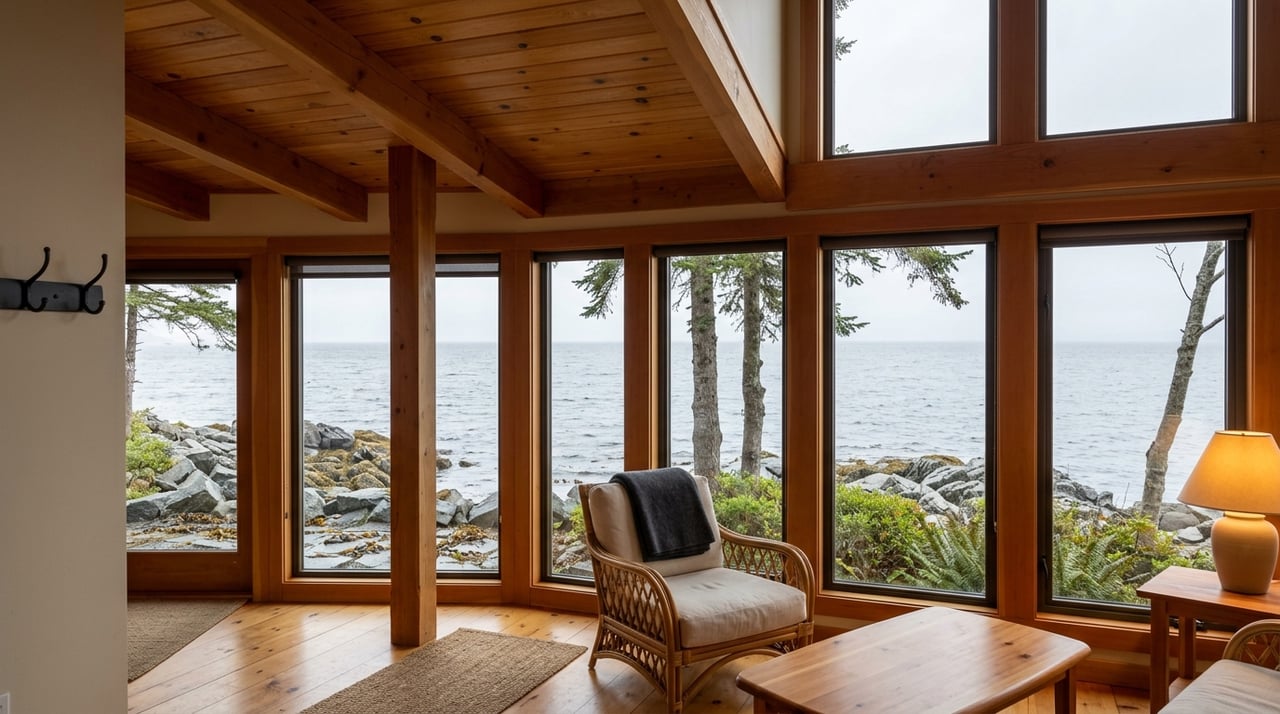
That is where immersive media can make a real difference, especially in a market like Sitka where many buyers may be evaluating a home from a distance. A well-planned media package can show shoreline approach, usable access, layout, and the relationship between the home and the water.
For many Sitka waterfront listings, the most helpful visuals include:
A 3D walkthrough can also help remote buyers understand room flow and how the home connects to the shoreline.
Drone photo and video can be especially useful for waterfront homes, but commercial drone work is regulated. The FAA requires a remote pilot certificate, drone registration, and compliance with Remote ID rules for commercial operations, and flights near airports generally require authorization.
That means sellers should work with professionals who understand how to capture this type of property responsibly and legally.
Waterfront buyers are usually detail-oriented, and that is a good thing. If you can answer their core questions early, you can create a smoother sale.
Some of the most common questions include whether the dock or float conveys, whether shoreline improvements were permitted, whether the property includes private upland only or also involves state tideland considerations, whether flood insurance may be required, and whether utilities are city-served or private.
Before your Sitka waterfront home goes live, try to confirm:
The more complete your answers, the more confidence you can build.
Selling a Sitka waterfront home is often about reducing uncertainty. Buyers are not only buying a house. They are evaluating shoreline use, exposure, access, and long-term practicality.
When you prepare permits, utility details, access information, tide-aware media, and waterfront documentation in advance, you make the property easier to understand. That can help serious buyers move forward with fewer surprises and stronger confidence.
If you are getting ready to sell a Sitka waterfront home, Suzanne Marina Jasso can help you present the property with local insight, careful stewardship, and immersive marketing built for both in-market and remote buyers.



I know that hard work, knowledge and dedication are required to earn my client's business, respect, and most importantly their trust. I would be honored to work with you in any real estate dealings