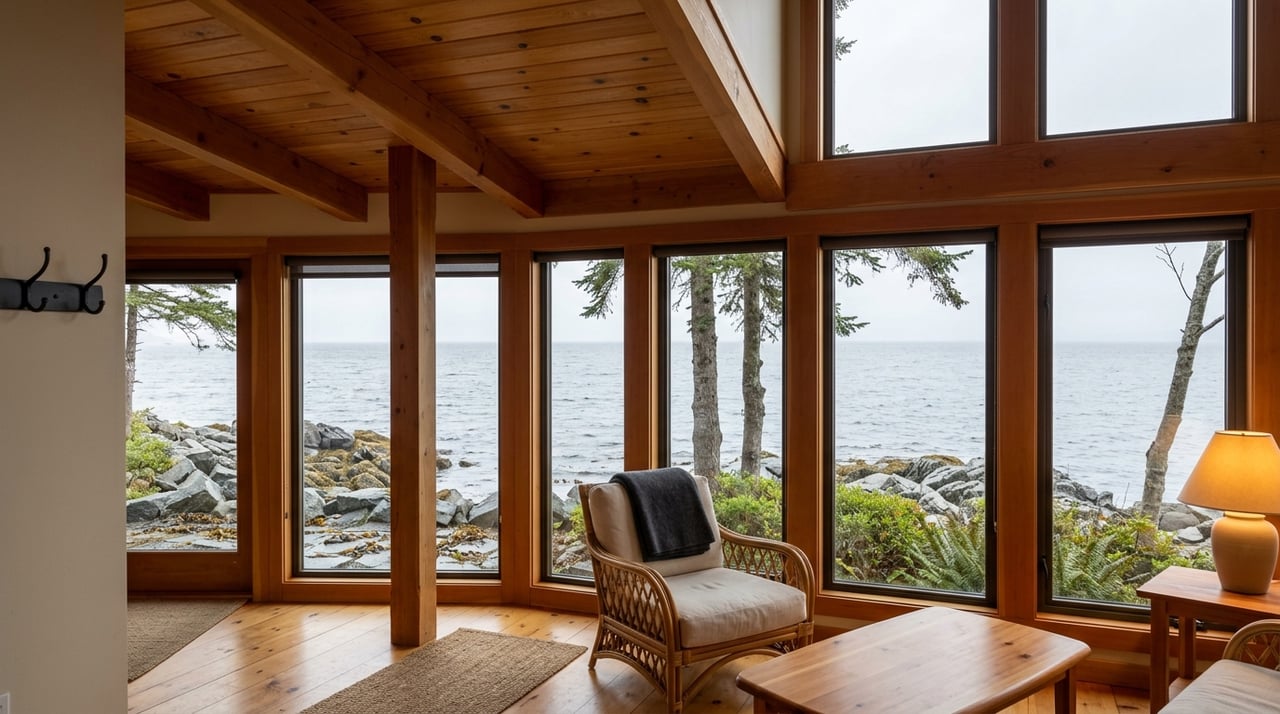
Imagining Life At A Lodge In Southeast Alaska
July 2, 2026
July 2, 2026
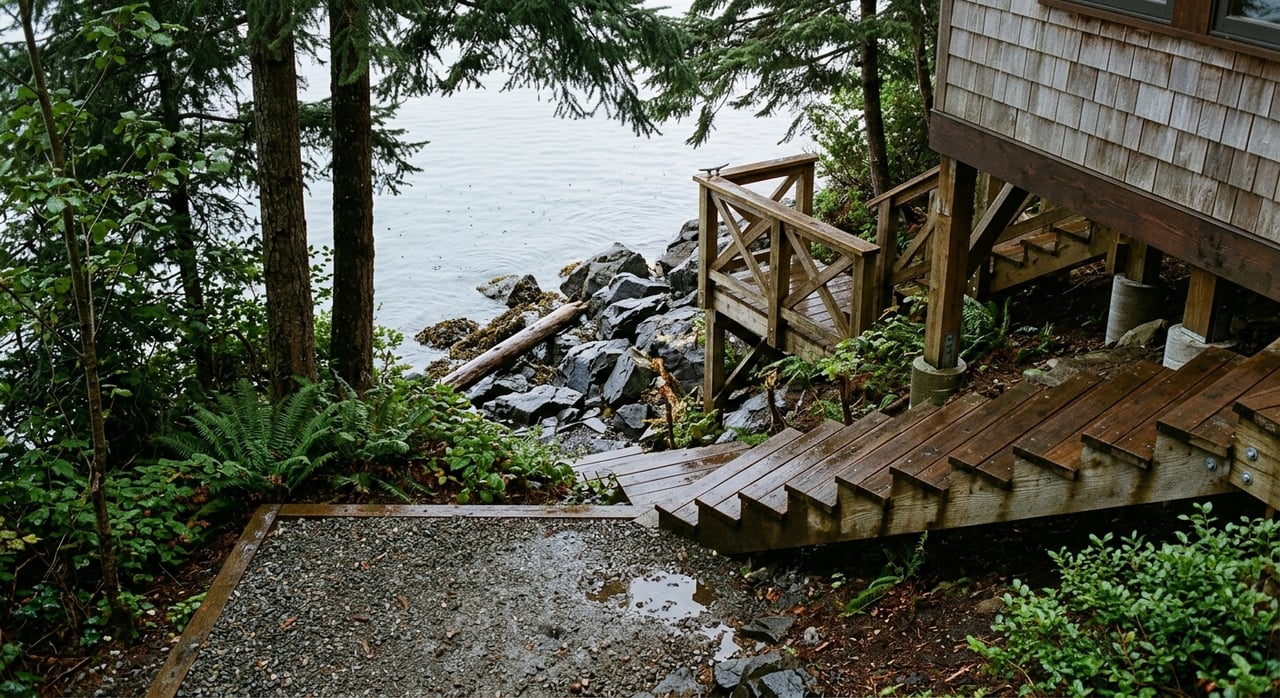
What does life at a lodge in Southeast Alaska actually feel like? If you have ever pictured long summer light, skiffs at the dock, and a property shaped by tide, weather, and water, Sitka offers a useful window into that lifestyle. Whether you are dreaming about a retreat, exploring a hospitality property, or trying to understand the rhythm of remote waterfront ownership, this guide will help you picture the pace, logistics, and day-to-day reality. Let’s dive in.
Sitka is a strong stand-in for the lodge lifestyle in Southeast Alaska because daily life here is closely tied to the coast. The climate is cool, wet, and shaped by fast-changing weather, which affects how people travel, plan, and use property.
NOAA climate normals for Sitka Airport show a mean annual temperature of 45.4°F and average annual precipitation of 84.47 inches. Even in the warmest months, conditions stay mild, with June averaging 53.0°F, July 56.5°F, and August 57.3°F.
That matters if you are imagining lodge ownership or lodge living. You are not picturing a place built around hot, dry summers. You are picturing a property where rain gear, maintenance planning, and a close eye on the forecast are part of the normal routine.
In Southeast Alaska, summer is the season most people picture first. Travel Alaska describes May through September as the summer season, with June through August as the most popular period thanks to long daylight, milder temperatures, and the widest range of tours and lodging activity.
That creates the classic lodge feeling many buyers and dreamers are after. The property feels active, the dock has a purpose, and each day can revolve around arrivals, departures, meals, gear, boats, and time on the water.
One of the biggest surprises for people unfamiliar with coastal Alaska is that summer stays relatively cool. Travel Alaska notes that coastal areas rarely get above 65°F, so summer comfort often comes from layers rather than heat.
For a lodge setting, that can be part of the appeal. You can imagine early mornings on the deck, cool air off the water, and afternoons spent boating or fishing without the intense heat common in many other destinations.
Near Sitka, the water is more than scenery. It is the backdrop for how guests experience the area, and it often shapes what a lodge day looks like.
The Alaska Department of Fish and Game says the Sitka Management Area includes the salt waters around Baranof, Yakobi, and western Chichagof islands, along with the fresh waters of those islands. Vast marine areas can be reached by boat from community ports, while localized roads provide only limited access to nearby streams.
If you are imagining life at a lodge, access matters as much as aesthetics. In the Sitka area, a lot of the experience is boat-based, which means movement across the landscape feels very different from a road-connected property in most Lower 48 markets.
ADF&G notes that remote areas can also be reached by float-equipped aircraft. That reinforces the same central idea: in this part of Alaska, your relationship to the property is often tied to docks, skiffs, floatplanes, and marine routes rather than everyday highway travel.
For many people, the lodge dream includes fishing. Sitka’s surrounding waters support a wide variety of options, including all five Pacific salmon species, halibut, lingcod, rockfish, king and Dungeness crab, shrimp, clams, steelhead, Dolly Varden, and cutthroat trout.
ADF&G also describes the outer coast as offering islands, reefs, and protected bays. That mix expands both the range of marine species and the kinds of fishing settings people can realistically enjoy near Sitka.
If you are trying to picture the busiest season, think of summer as the main window. Travel Alaska says June through August is the busiest travel period statewide, and many summer operators continue into mid-September or early October.
That helps define the feel of a lodge in motion. Summer is when expectations often center on fishing, wildlife viewing, boating, and making the most of long daylight hours.
One of the biggest differences between a Southeast Alaska lodge and a more conventional property is logistics. You may be surrounded by extraordinary scenery, but operating in a coastal and remote environment means planning ahead for inventory, repairs, transportation, and timing.
The Alaska Marine Highway System serves Southeast Alaska year-round, with mainline ferries serving larger communities and day boats linking smaller ones. Sitka appears on the mainline route map, and the system connects communities through regional hubs such as Ketchikan and Juneau.
For Sitka specifically, the Alaska Department of Fish and Game notes that the area is linked to the rest of Southeast Alaska, Canada, and Washington by the Alaska Marine Highway system and commuter airline service, with commercial airline service also available in Sitka.
In practical terms, that means people, groceries, supplies, and service needs are often coordinated around transportation windows. If a property is more remote, the planning may also involve boat access or float-equipped aircraft.
There is also an important reality check here. The Alaska Marine Highway System notes that schedules can be altered, revised, or canceled without notice, and Sitka departures may vary according to tides and current.
That does not make lodge life impossible. It simply means flexibility is normal, and buffer planning is part of how remote coastal properties are managed well.
Not every part of the year feels like peak summer. One of the most distinctive parts of Southeast Alaska lodge life is the shift into shoulder season, when the pace softens and the property often feels more private and more operational.
Travel Alaska notes that travelers can often find lower lodging and tour prices during spring and fall shoulder seasons, especially in May and September. At the same time, the region is still within Alaska’s broader May-to-September summer window, so the transition can feel gradual rather than abrupt.
Climate data helps explain why fall feels different on the ground. According to NOAA’s Sitka normals, September and October are the wettest months of the year, with average precipitation of 11.69 inches and 11.78 inches.
That often means shorter days, more rain, and fewer moving parts around a lodge property. Instead of a busy guest-facing rhythm, the focus can shift toward upkeep, planning, and resetting for the next active stretch.
Travel Alaska notes that fishing, wildlife viewing, and day cruises may still be available into mid-September or early October with many summer operators. So shoulder season is not necessarily empty.
Instead, it often feels more selective and more intentional. For some buyers, that balance is part of the appeal: a property that can feel lively in summer and calm, reflective, and work-focused in the quieter months.
During the active season, lodge life near Sitka can feel both scenic and structured. You are not only enjoying the views. You are also thinking about arrivals, departures, weather, dock use, equipment readiness, and the next turn in the schedule.
That kind of property tends to reward people who appreciate rhythm and routine. The beauty is real, but so is the value of preparation.
The quieter season often brings a different kind of satisfaction. This is when many owners would likely turn attention toward deep cleaning, repairs, boat and building upkeep, supply planning, and getting ready for the next busy stretch.
For a buyer considering a lodge, retreat, or remote hospitality property, this is an important mindset shift. The property is not only a place to enjoy. It is also a place that asks for stewardship.
If you are browsing lodges or remote waterfront properties in Sitka and across Southeast Alaska, the dream should include the operational reality. A beautiful setting is only part of the story. Access, weather, seasonality, and transportation all shape how a property functions and how you experience it.
That is why local context matters so much. A property may look stunning in photos, but understanding how it lives across summer, shoulder season, and shifting transport conditions can help you make a more informed decision.
If you are exploring a lodge, island, waterfront, or remote property in Sitka or elsewhere in Southeast Alaska, Suzanne Marina Jasso can help you evaluate not just the views, but the real lifestyle and logistics behind the opportunity.
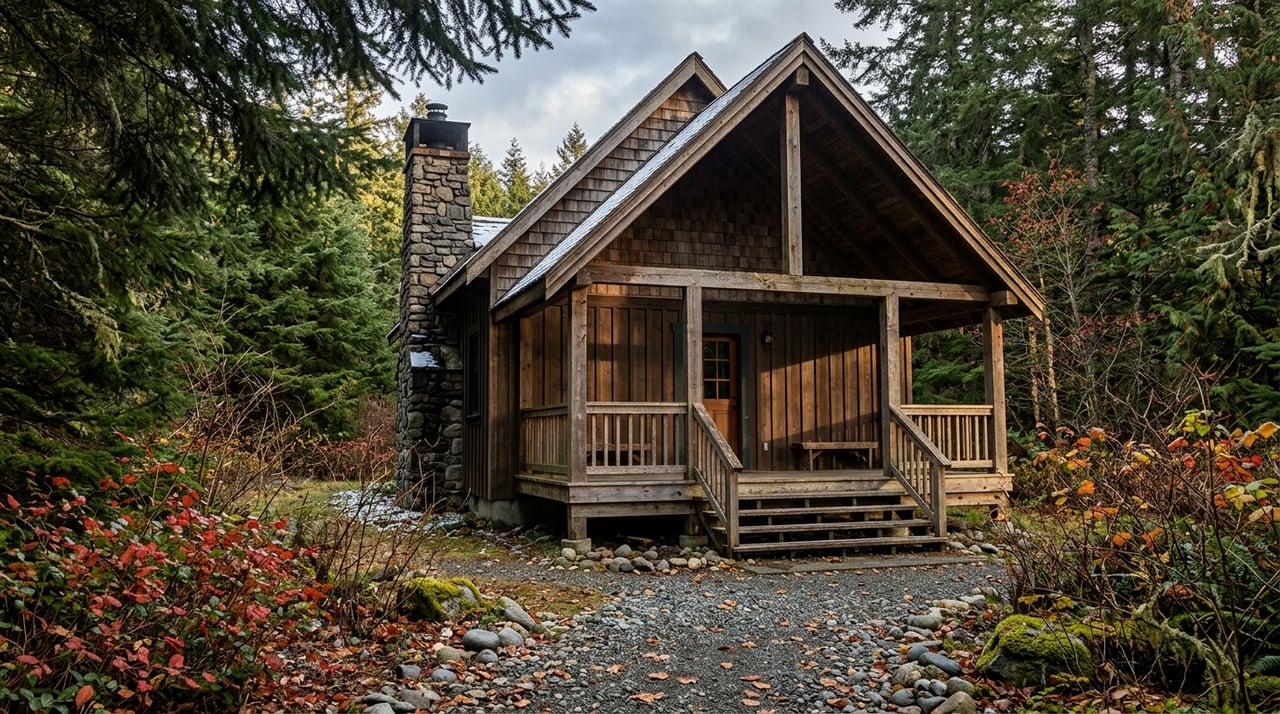
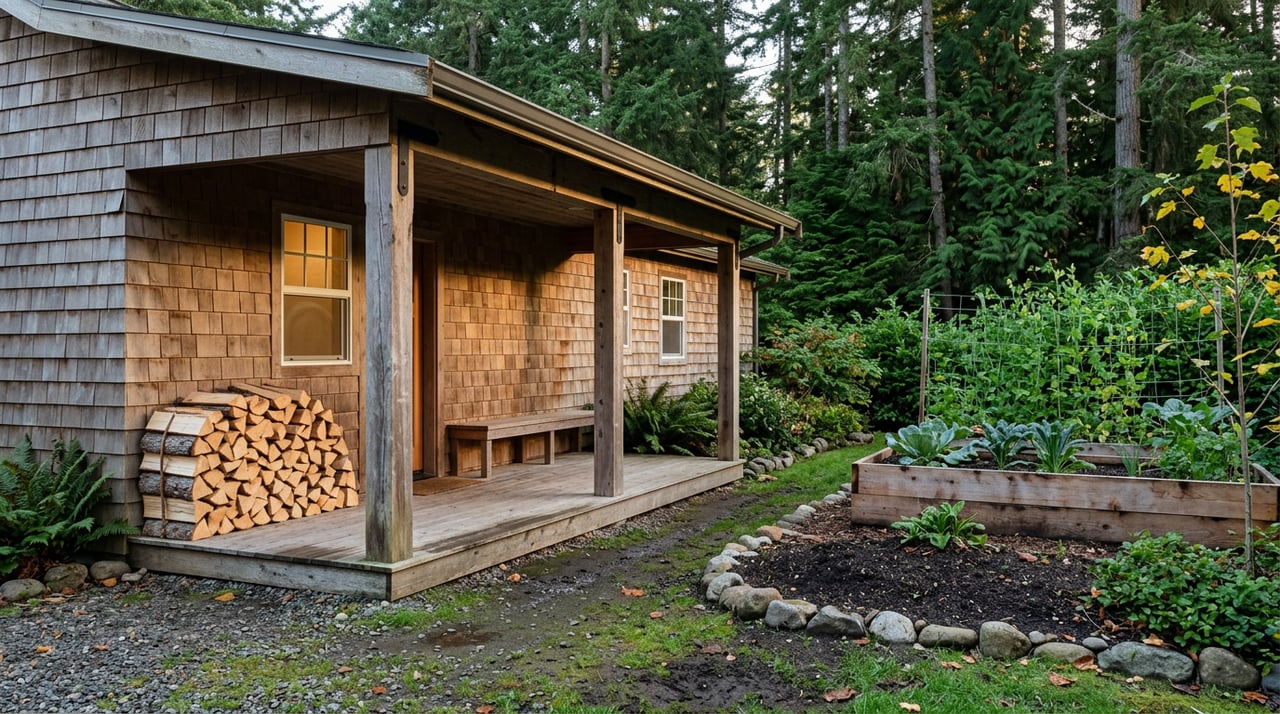
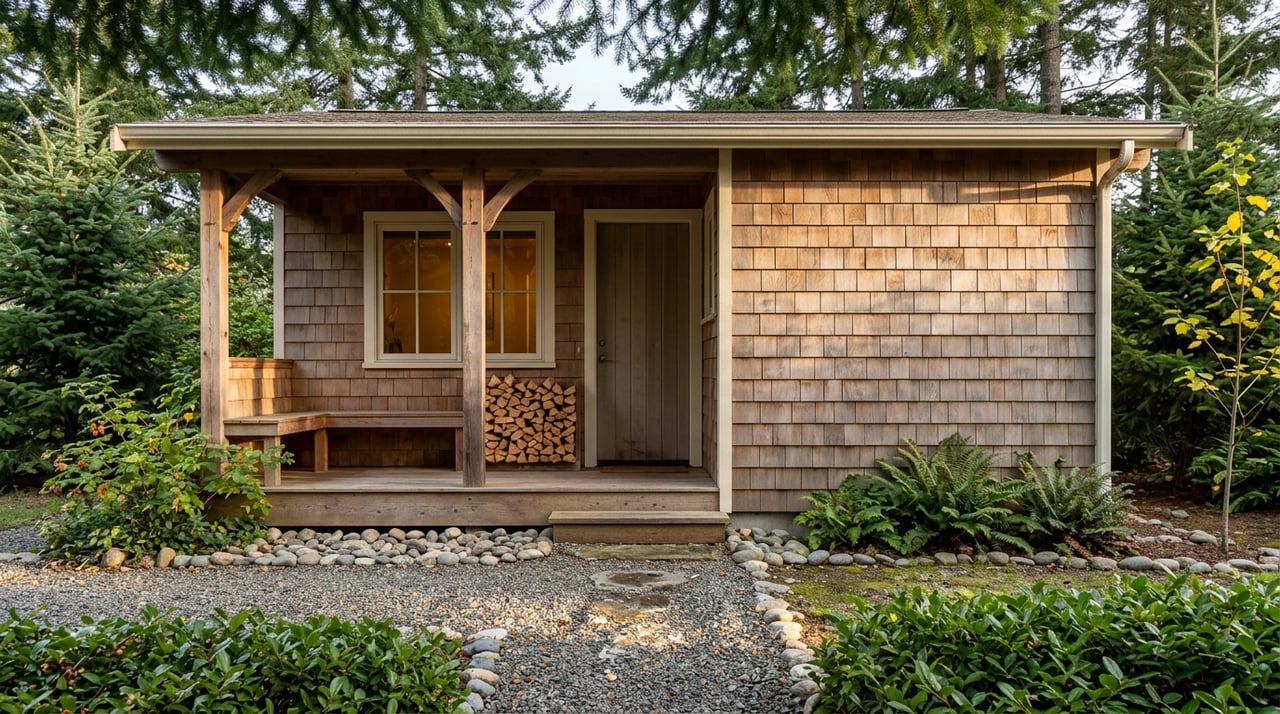
I know that hard work, knowledge and dedication are required to earn my client's business, respect, and most importantly their trust. I would be honored to work with you in any real estate dealings