Sitka Multifamily Real Estate: Key Market Insights
June 18, 2026
June 18, 2026
If you have been watching Sitka real estate, you already know that small multifamily properties do not trade like cookie-cutter assets in a big city. A duplex, triplex, or fourplex here can attract interest from local buyers, owner-occupants, and remote investors for very different reasons. When you understand the size of the market, the housing mix, and the local rules, you can make better decisions whether you plan to buy, hold, or sell. Let’s dive in.
Sitka is a small housing market by any measure. As of July 1, 2025, the city and borough had 8,319 residents, 4,187 housing units, and 3,440 households, with a 61.7% owner-occupied rate. In a market this size, even a handful of duplex or triplex listings can shift what buyers and sellers feel on the ground.
That small scale is a big part of why multifamily properties matter here. Changes that might feel minor in Anchorage or another larger market can have a noticeable impact in Sitka. If you own one of these properties, scarcity alone can shape how your asset is viewed.
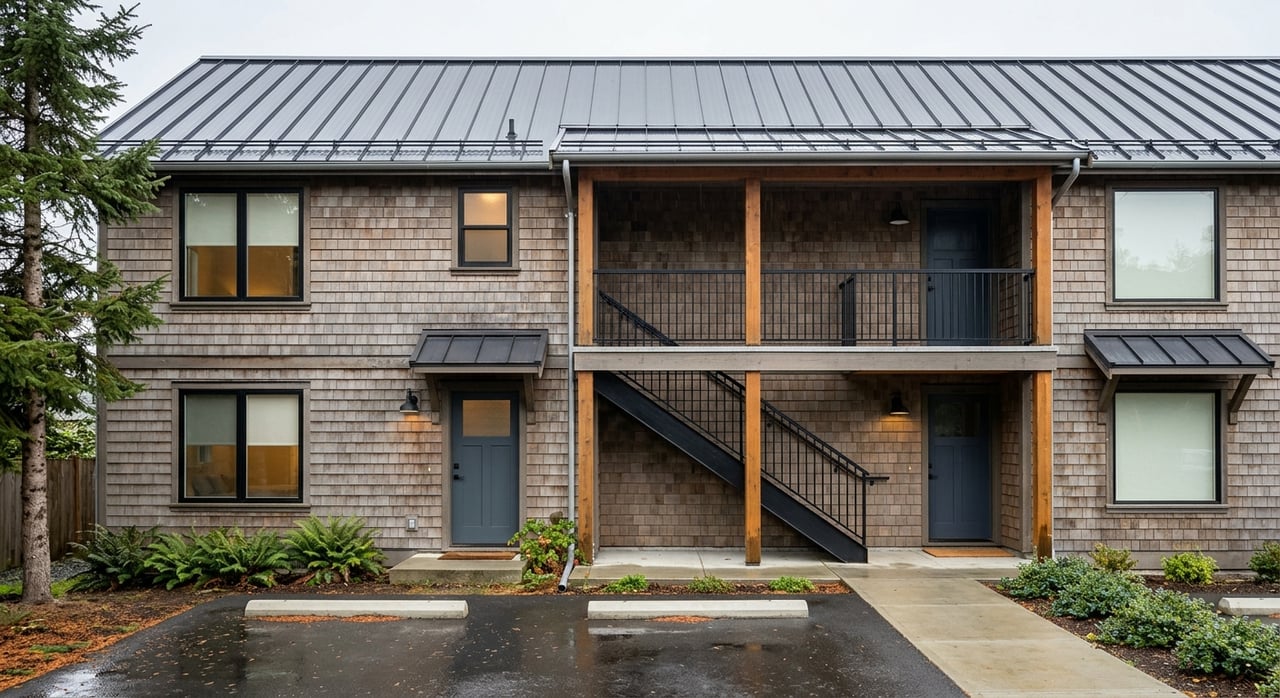
Small multifamily is not the majority of Sitka’s housing stock, but it is a meaningful part of it. In the 2019 to 2023 American Community Survey summary cited by the City and Borough of Sitka, 14.8% of occupied units were in 2-unit structures and 7.2% were in 3-to-4-unit structures. That means small multifamily makes up a visible slice of occupied housing.
The same summary shows that 33.2% of occupied units were in apartment structures with 2 or more units, or about 1,161 occupied units. Single-family housing still makes up the largest share, but multifamily is clearly part of the everyday housing picture in Sitka. That matters if you are comparing a duplex purchase to a single-family home or trying to estimate the buyer pool for a sale.
There has also been a longer-term shift. Compared with 2009 to 2013, the share of occupied units in 2-unit structures rose by 5.8 percentage points, and the share in 3-to-4-unit structures rose by 0.7 points. Over the same period, the share of 1-unit detached housing fell by 3.5 points.
Assessor data summarized in the 2024 Sitka Tribal Housing Needs Assessment supports that broader pattern. It describes Sitka’s housing mix as 53% single-family homes, 20% duplex or attached units, 12% 3-plus-unit buildings, 6% 10-plus-unit buildings, and 9% mobile homes. In plain terms, duplexes and other small multifamily properties are a real and established segment of the market.
The rental market helps explain why small multifamily continues to matter. The 2024 Sitka Tribal Housing Needs Assessment found that 51% of renter households were cost-burdened in 2022. By comparison, 21% of owner households with mortgages were cost-burdened.
The report also cites a median adjusted rent of $1,354 per unit, while Census QuickFacts reports a median gross rent of $1,341. Those figures suggest that year-round rental housing remains valuable in Sitka. For buyers, that can make a duplex or triplex appealing as a way to offset housing costs or generate income.
There is another local factor to keep in mind. The housing assessment notes that March vacancy data can make the market look looser than it really is because it misses Sitka’s May through September peak rental season. If you are evaluating a property based only on a snapshot in the quieter months, you may miss how tight the year-round market can feel.
In Sitka, ownership patterns are unusually local. The housing assessment says 91% of residential homes, 93% of mobile homes, 85% of condominiums, and 70% of apartment buildings are owned by a person or entity with a local address. It also reports that 73% of surveyed residents had lived in Sitka for more than 15 years, and 84% had lived in the same place for the past five years.
That helps explain the likely buyer profiles in this niche. Many small multifamily buyers are owner-occupants who want rental income from another unit. Others are local small landlords who already understand Sitka’s operating realities.
Remote buyers can still be part of the market, but they usually need a strong comfort level with local rules, maintenance, and logistics. In a small island market, distance does not remove the need for careful property oversight. It simply makes local knowledge more valuable.
One of the biggest mistakes buyers make is assuming a small multifamily building can be used however they want. Sitka’s zoning code clearly recognizes the property types that shape this market. R-1 is a single-family and duplex district, R-1 MH and R-1 LDMH also include duplex and manufactured-home options, and R-2 is a multifamily district.
That is good news in one sense because duplexes and multifamily buildings are not unusual or undefined uses here. But it also means every property should be viewed through its specific zoning, lot characteristics, and current use. In Sitka, the details can change what is practical.
The city’s comprehensive plan adds more context. It supports compact, walkable downtown development, infill, higher-density redevelopment, and more multi-story residential buildings in some areas. At the same time, it notes that many lots do not meet current development standards and that parking can be an issue in some neighborhoods.
If you are buying or selling, this means site-specific diligence matters. A property’s location, access, parking, and lot constraints may affect value just as much as unit count.
If you are looking at a duplex or triplex as a flexible income property, short-term rental rules deserve close attention. Sitka’s Planning and Zoning FAQ says that in residential zones, a short-term rental requires a conditional use permit. It also says the property must be the owner’s primary residence for at least 180 days of the year.
There is also a parking requirement. Short-term rentals require two parking spaces per dwelling unit. For some properties, that alone can limit what is possible.
This is especially important because the housing assessment found that peak-season public short-term rental listings increased 52% between 2021 and 2023, with an average nightly price of $302 in 2023. That can make seasonal use look attractive on paper, but the local rules create real limits in residential areas. If you are underwriting income or marketing a property for sale, that distinction matters.
A lot of Sitka’s housing is older. The 2024 housing assessment says most of the housing stock is nearly 50 years old or older, and that housing production peaked in the 1970s. For small multifamily owners, that makes maintenance history and property condition especially important.
Sitka’s climate adds another layer. NOAA climate normals for Sitka Airport show 84.47 inches of annual precipitation, with heavier precipitation in the fall and winter. This is a cool, wet maritime environment, and buildings have to perform in it year after year.
The city’s residential code summary highlights details like a 6-mil vapor barrier, pressure-treated or naturally resistant wood for exposed weather surfaces, smoke and carbon monoxide detectors, and securing water heaters against earthquake movement. The city’s grading guidance also notes that residential development has moved onto steeper, less well-drained terrain, where fills, cutbanks, drainage changes, and retaining walls need permit oversight.
For you as a buyer or seller, the takeaway is simple. In Sitka, a duplex or triplex is not just a rent roll. It is also an exterior-envelope, drainage, access, and site-management asset.
If you are considering a small multifamily purchase in Sitka, a careful review upfront can save you from expensive surprises later. Beyond rents and unit count, you should pay close attention to the physical and regulatory details of the property.
Here are some of the key areas to evaluate:
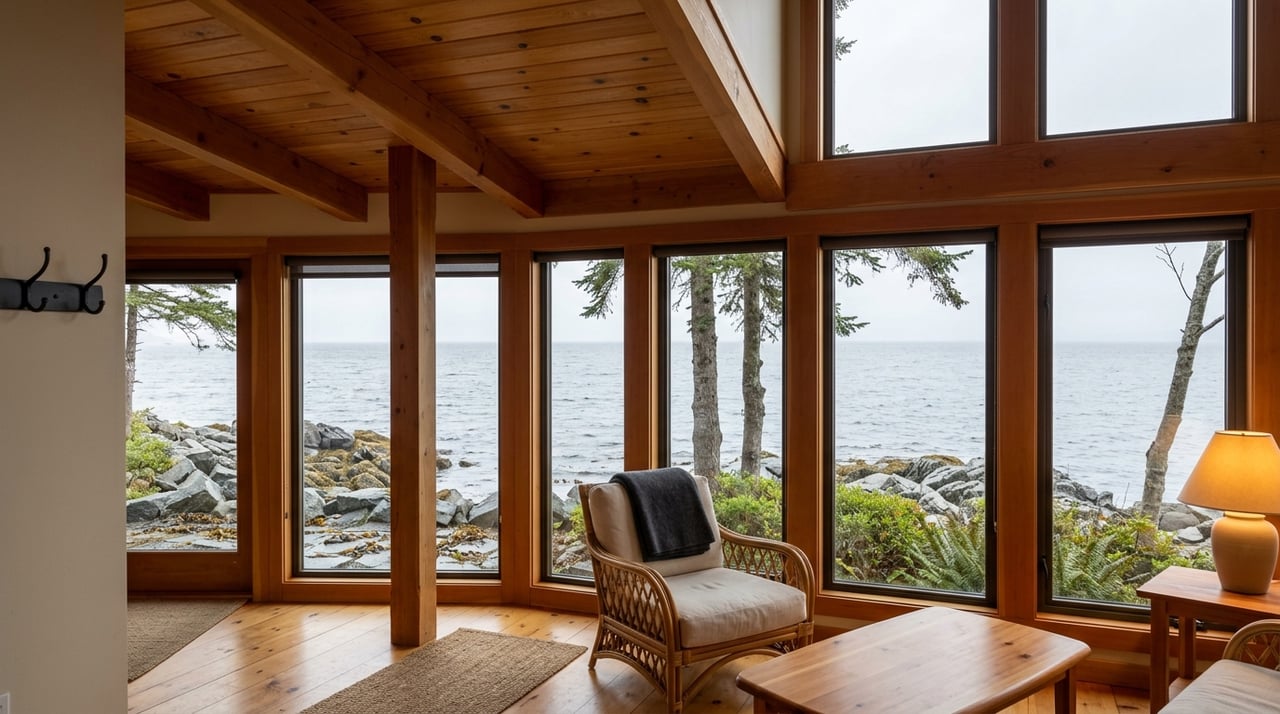
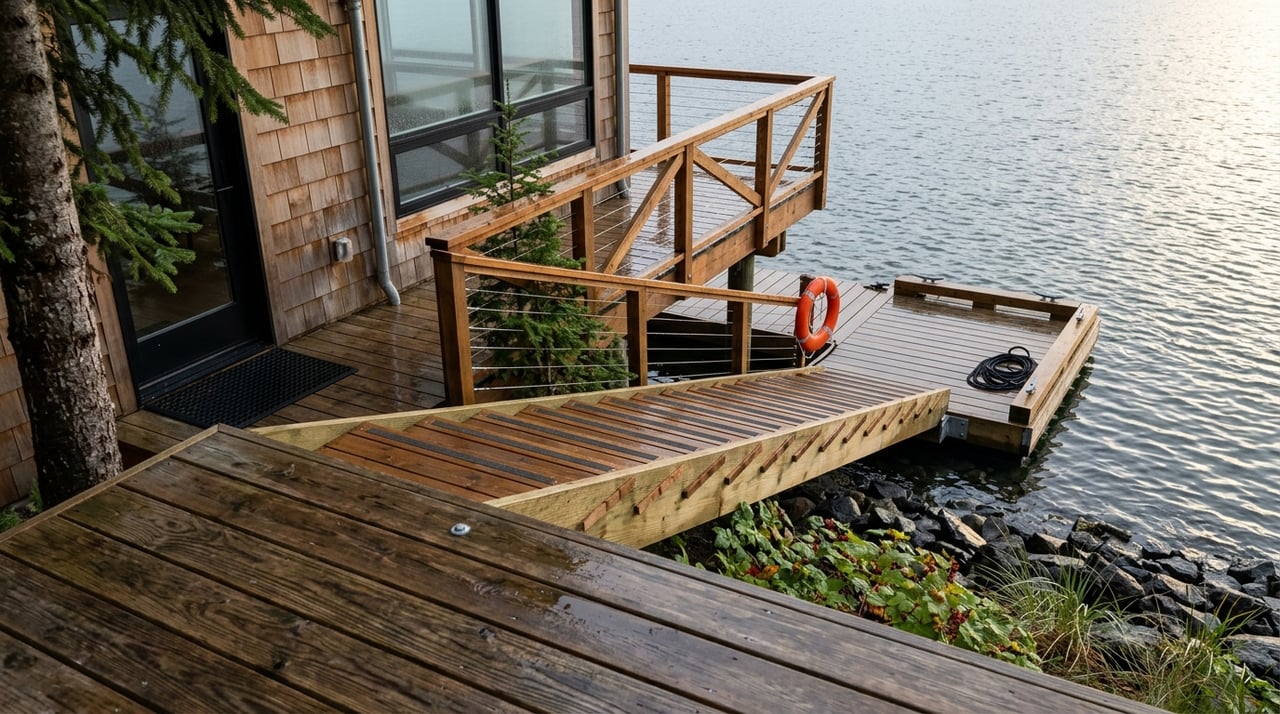
For remote buyers especially, good visual documentation can make a major difference. Clear photography, video, and immersive property media help you understand layout, access, and site conditions before you travel or make a decision.
In a small market, buyers notice preparation. If you own a duplex, triplex, or fourplex and are thinking about selling, your presentation can strongly influence buyer confidence. That is especially true when the likely buyer may be comparing your property to only a few alternatives.
Start with the basics. Organize maintenance records, clarify current rents and occupancy, and address visible deferred maintenance where possible. If the property has parking, storage, or site features that are especially useful in Sitka, make sure those are clearly documented.
It also helps to market the property in a way that fits the buyer pool. A local owner-occupant may focus on offsetting housing costs and ease of management. A remote investor may care more about condition visibility, layout clarity, and confidence in the property’s real-world operation.
That is where immersive marketing can help. Detailed photography, drone coverage, and 3D tours can give both local and out-of-town buyers a more complete understanding of the asset before they step inside.
Sitka’s small multifamily market is best understood as a scarce, older, locally held housing niche shaped by steady rental pressure and meaningful local regulation. There is opportunity here, but it usually comes from understanding the asset well and operating it thoughtfully. This is not a market where broad assumptions work very well.
If you are buying, the best opportunities often come from matching the property to your actual use plan and comfort with local conditions. If you are selling, the best results often come from strong preparation, credible pricing, and marketing that gives buyers confidence from the start.
In a market as specific as Sitka, local guidance matters. If you want help evaluating a duplex, triplex, or fourplex, or you are preparing one for sale, Suzanne Marina Jasso can help you navigate the details with local insight and polished, media-forward presentation.
I know that hard work, knowledge and dedication are required to earn my client's business, respect, and most importantly their trust. I would be honored to work with you in any real estate dealings