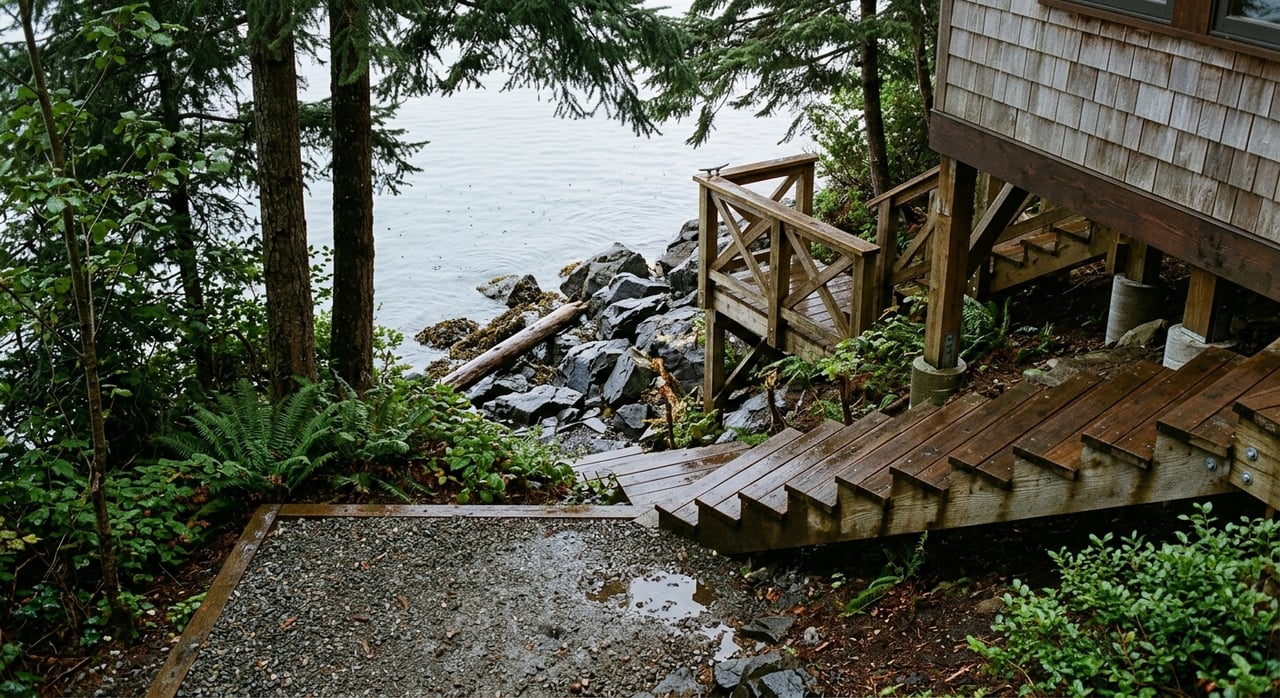
Southeast Alaska Waterfront Comparison for Sitka Parcels
July 9, 2026
July 9, 2026
Waterfront land in Southeast Alaska can look simple on paper, but in Sitka, the real story is usually about access, shoreline rights, and what you can actually do with the property. If you are comparing two parcels with similar views or acreage, the better fit often comes down to roads, tides, utilities, permits, and day-to-day logistics. This guide will help you compare waterfront parcels in a practical way so you can make a more confident decision. Let’s dive in.
In Sitka and across Southeast Alaska, access can shape value and usability as much as the land itself. Sitka’s planning materials note that off-road sites are often reached by boat, kayak launch, or floatplane, and those access points may require ongoing maintenance.
That means your first question should be simple: How do you get there in real life? A parcel that looks amazing online may function very differently depending on whether you can drive to it, tie up a boat nearby, or rely on seasonal or weather-sensitive access.
Sitka has about 30 miles of city-maintained paved and unpaved roads, while Halibut Point Road and Sawmill Creek Road are maintained by the State of Alaska. If a parcel is roaded, compare how direct the route is, what kind of driveway or street access exists, and whether year-round access fits your plans.
A roaded parcel can be easier to build on and use regularly, especially if you want straightforward deliveries, contractor access, or frequent trips back and forth. Even then, you still need to compare utility connections, floodplain status, and setback room.
Boat access can work well in Southeast Alaska, but it deserves a close look. Sitka operates five boat harbors, and the harbor system includes a tidal grid, gear work float, and drive-down load and unload zone.
If a parcel depends on water access, compare where you will launch, moor, load supplies, and store gear. Also compare how exposed the shoreline is and whether the day-to-day boating routine matches how often you expect to use the property.
For some buyers, floatplane access is part of the appeal. Sitka’s current seaplane base includes permanent and transient slips, a drive-down ramp, haul-out ramp, tie-downs, restrooms, and a passenger shelter.
When you compare floatplane-friendly parcels, think beyond the map. Ask whether routine air access is realistic for the site, what ramp or tie-down needs may come into play, and how weather exposure could affect regular use.
A waterfront parcel is not just about what touches the water. In Alaska, the state owns most tidelands and submerged lands, and the legal dividing line for tidal frontage is the mean high water line.
This matters because the beach you see is not always the land you own. DNR also notes that the mean high water line can sit well below the vegetation line, so the apparent beach edge may not match the property boundary.
Before you compare parcels by frontage alone, make sure you understand where the upland ownership ends. Two parcels with similar shoreline views may offer very different legal rights along the water.
This is especially important if your plans involve a dock, mooring buoy, shore tie, or regular beach use. In many cases, the value of a parcel is tied to its rights and practical shoreline use, not just the amount of visible waterfront.
According to DNR, residential docks adjacent to privately owned uplands do not typically require a DNR permit, while commercial docks can be authorized by land use permit. DNR also states that a private, non-commercial mooring buoy within the projected sidelines of the upland owner’s parcel does not require a permit, while commercial use can trigger permits or leases.
That is why you should compare parcels based on your intended use. A site that works for private recreation may not work the same way for commercial moorage, lodge use, or other business activity.
A beautiful shoreline does not always mean easy buildability. In Sitka, local permit rules, floodplain requirements, setbacks, and shoreline exposure can all affect what you can develop.
The city’s floodplain regulations require a development permit before construction or development in identified special flood hazard areas, including fill. Sitka also generally requires a permit before a structure is built, altered, repaired, moved, improved, renovated, demolished, or for excavations and fills deeper than 2 feet.
If a parcel sits in a special flood hazard area, that should be part of your side-by-side comparison from the start. Floodplain status can affect design, permitting, timing, and cost.
This does not automatically rule a parcel out. It simply means you need to compare it with a clear understanding of what extra steps may be involved.
NOAA’s Sitka tide station reports a mean tidal range of 7.7 feet. That is a major factor for dock design, low-tide access, and how usable the beach may feel throughout the day.
Sitka’s local design criteria also treat shoreline sites as Exposure D and extend that exposure inland from the shoreline. In practical terms, waterfront parcels may face stronger design considerations than inland lots.
Even permit-exempt work must still comply with zoning setbacks in Sitka. A narrow or irregular shoreline parcel may offer less usable building area than you expect.
When you compare lots, look at where a home, cabin, outbuilding, driveway, or utility setup could realistically fit. Acreage alone often tells you very little about what will work on the ground.
Services can be the difference between a parcel that is ready for regular use and one that requires much more planning. In Sitka, the municipal water system serves about 99 percent of the population, and the sanitary sewer system serves nearly 98 percent.
For parcels outside those service corridors, you need to verify whether connection is available or whether you will need private systems. This is one of the biggest practical differences between in-town waterfront and remote shoreline property.
If a parcel is outside city water and sewer service, compare whether it may need a private well and onsite wastewater system. DEC says private well owners are responsible for testing their own water, and the state does not sample or regulate private-well water quality.
DEC also notes that Alaska does not give landowners automatic rights to groundwater or surface water. For onsite wastewater, system design depends on approved sizing, soil conditions, and percolation testing.
Sitka’s fire department serves the entire borough, covering 4,710 square miles, and EMS handles about 1,000 calls each year. That broad service area is important, but response times and ease of access can still differ from one parcel to another.
If you are comparing remote or boat-only sites, think about emergency access, weather windows, and how close you are to harbor support, supplies, and municipal infrastructure. Those details can affect both comfort and long-term planning.
In-town or harbor-adjacent waterfront can compare very differently from remote shoreline. Sitka’s harbor system is within walking distance of groceries, marine supply, restaurants, and downtown, which adds practical convenience for some buyers.
At the same time, harbor property comes with rules and operating conditions that matter. If your parcel is tied to harbor use, compare those rules as carefully as you compare the view.
Sitka harbor regulations impose a no-wake zone, assign moorage through the Harbormaster, restrict storage on floats, and regulate fish cleaning and waste handling. They also govern work floats and tidal-grid use.
For you as a buyer, that means shoreline access may function as a regulated operating environment, not just a scenic amenity. A harbor-adjacent parcel may be more convenient in some ways, but it may also offer less flexibility than a more independent shoreline site.
One of the biggest mistakes buyers make is comparing parcels as if they are interchangeable. In reality, a roaded lot, a harbor-adjacent parcel, a floatplane-access site, and a remote boat-only cabin property should each be judged by different priorities.
The right parcel depends on how you plan to use it. Seasonal recreation, full-time living, lodge operations, and moorage-focused ownership all create different needs.
For a roaded, service-ready waterfront lot, focus on:
For harbor-adjacent or moorage-focused property, compare:
For floatplane-access property, compare:
For remote boat-only cabin or lodge sites, compare:
If you want a simple way to compare waterfront parcels in Sitka, score each one on five core questions. This approach keeps you focused on real-world function instead of getting stuck on acreage or views alone.
Here are the five questions to use:
In Southeast Alaska, those answers usually tell you more than the lot size ever will. A smaller parcel with clear access, workable utilities, and realistic build options may be a better long-term fit than a larger parcel with more unknowns.
If you are weighing waterfront, island, or remote parcels around Sitka, local context makes a big difference. A careful comparison now can save you time, money, and surprises later. When you want grounded local guidance and a clear look at how a property really functions, connect with Suzanne Marina Jasso.
I know that hard work, knowledge and dedication are required to earn my client's business, respect, and most importantly their trust. I would be honored to work with you in any real estate dealings