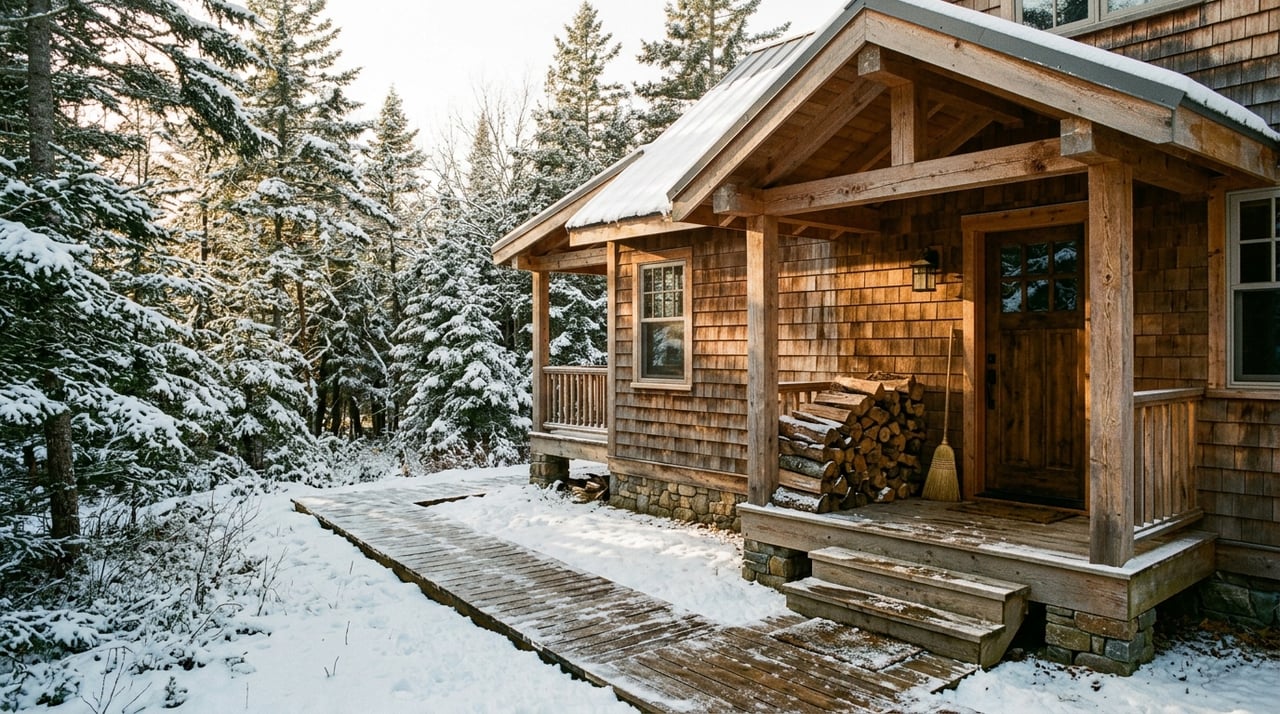
Seasonal Life At A Remote Southwest Alaska Cabin
May 14, 2026
May 14, 2026
Ever wonder what life at a remote Southwest Alaska cabin really feels like once the photos stop and the seasons take over? If you are drawn to privacy, big landscapes, and the idea of an off-grid retreat, it helps to know that cabin life here changes dramatically from summer to winter. Understanding that rhythm can help you decide whether a remote property fits the way you actually want to live, use, and care for it. Let’s dive in.
Remote Southwest Alaska is not one single weather pattern. The Alaska Climate Research Center notes that conditions vary widely by region, elevation, and whether a place is coastal or inland.
That matters when you picture daily life at a cabin. NOAA climate normals show a real spread across the region, with places like King Salmon averaging 21.44 inches of precipitation and 47.4 inches of snowfall each year, while Cold Bay averages 42.67 inches of precipitation and 67.3 inches of snowfall. Even summer mean temperatures stay in the 40s and 50s in some areas, so “summer cabin life” still calls for planning and layers.
Summer is often the busiest and most rewarding season at a remote cabin. The long daylight hours can completely reshape your routine, giving you more time to fish, repair, gather supplies, and enjoy the property.
Kodiak offers a helpful example of that light swing. In June, daylight runs from about 5:15 a.m. to 11:15 p.m., with nearly 18 hours of daylight around the solstice on June 21. When you have that much usable day, cabin tasks that might feel rushed elsewhere can become part of a steady, satisfying routine.
For many cabin owners and users, summer plans revolve around fishing windows. In Bristol Bay, the Alaska Department of Fish and Game says king salmon sport fisheries generally peak from mid-June to late July.
Coho salmon commonly run from late July through September and sometimes into October. Sport fishing in the area is generally concentrated from June through October, which makes summer and early fall the core season for cabin use in many remote settings.
One practical note matters here. ADF&G says regulations can change at any time by emergency order, so part of seasonal cabin life is checking current rules before you head out.
Summer is also when many people fill the pantry. ADF&G guidance allows berries and mushrooms for personal consumption only, and the Alaska Department of Environmental Conservation includes berries, spruce tips, beach greens, and mushrooms as part of Alaska’s traditional foods landscape.
At a remote cabin, that often means more than a casual afternoon outside. It can mean planning around what is ready, picking carefully, and preserving what you gather so the season carries into the colder months.
A remote cabin is not just a place to relax. Summer is also when you catch up on repairs, stock essentials, and prepare for the seasons that are much less forgiving.
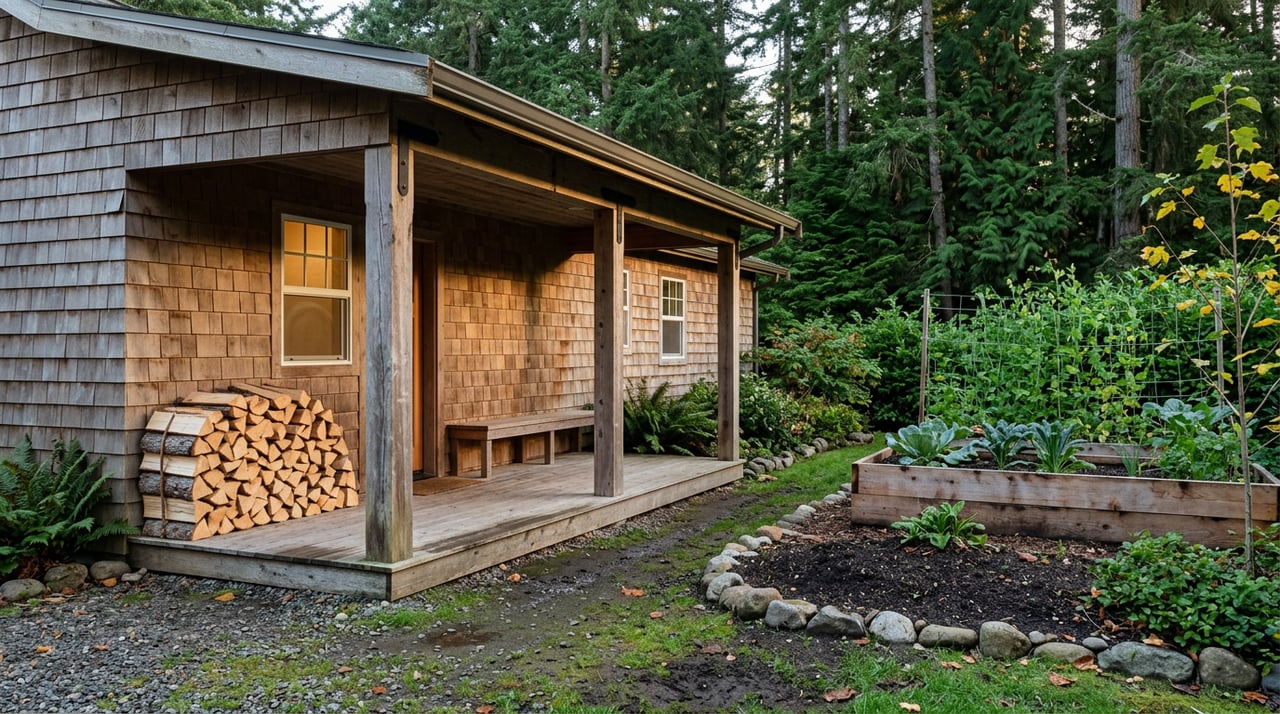
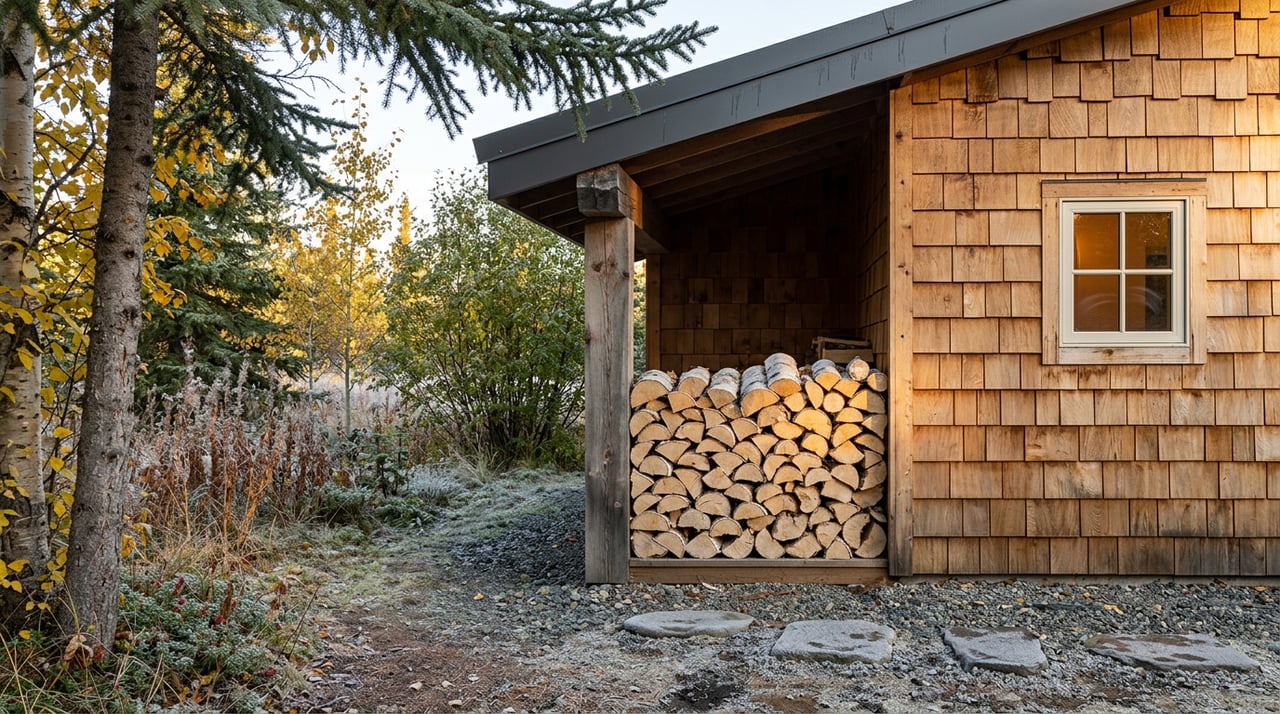
ADF&G notes that firewood is not provided at public cabins. On state land, only down-and-dead wood may be collected, and users are generally expected to haul in their own firewood along with water or a way to purify water, cooking fuel, insect repellent, and weather-appropriate layers.
That list tells you something important about the lifestyle. Even in the brightest season, remote cabin use depends on preparation, not convenience.
Spring and fall are often when remoteness feels most real. These are the in-between periods when travel, weather, and supplies can all become less predictable.
The Alaska Department of Natural Resources says many remote parcels have no road access and may have little or no public services. It also warns that off-grid living is challenging and not universally suitable, which is an honest reminder for anyone considering a seasonal property.
Some properties are straightforward to reach in one season and much harder in another. State cabin examples show the range clearly. Shuyak Island State Park in the Kodiak area is accessible by boat or floatplane only, and once you arrive, no visitor services are available.
That kind of access shapes everything from how you pack to how long you stay. Spring breakup and fall freeze-up can become the practical hinge points of the year because changing water and ground conditions affect how safely and reliably you can get in and out.
Shoulder seasons highlight the difference between enjoying a remote cabin and struggling with one. ADF&G guidance notes that winter travel on frozen water can involve overflow and that freeze-up or breakup conditions can change quickly.
That means your comfort depends on your margin for error. You need to think ahead about fuel, food, weather changes, and what happens if your travel plan has to shift.
Remote living also comes with daily responsibility. ADF&G stresses packing out trash, storing food carefully, and keeping a clean camp because bears are common around many recreation cabins.
Wildlife should not be approached or fed. In real life, that means cabin routines include cleanup, storage discipline, and constant awareness, not just scenic evenings on the porch.
Winter at a remote Southwest Alaska cabin is often less about variety and more about discipline. Shorter days, colder conditions, and more limited access change how you use the property.
Kodiak again gives a useful point of reference. In early January, daylight is only about 6 hours and 44 minutes. That shorter window helps explain why winter cabin life tends to center on heat, light, food storage, and reliable planning rather than spontaneous outings.
In winter, comfort usually comes from systems that work. Heat, fuel, stored food, lighting, and dependable access matter more than almost anything else.
This is where the romance of cabin life meets reality. If you do not enjoy planning, monitoring supplies, and adapting to conditions, winter can feel harder than expected.
It is also important not to assume the seasons behave neatly. ADF&G notes that snow can occur any time of year in some parts of the region.
That adds another layer to winter thinking. The “cold season” may arrive early, linger late, or overlap with travel and maintenance windows you thought you had.
If you are considering a remote Southwest Alaska cabin, the biggest question is not whether the setting is beautiful. It is whether your expectations match the property’s seasonal demands.
DNR says remote parcels are offered without guarantees, many are remote without road access, and purchasers are strongly advised to visit and investigate before buying. That guidance supports one of the clearest truths about this property type: a good fit depends on how flexible and prepared you are across the whole year.
Do not stop at asking how to reach the cabin once. Ask how access changes in summer, during freeze-up, during breakup, and in winter.
A cabin that feels easy in July may require a very different mindset in October or January. Seasonal access is part of the property, not a side detail.
It also helps to picture daily life through basic systems. How will you handle heat, water, fuel, food storage, and waste over the course of a stay?
The research around public and recreation cabins points to the same lesson again and again. Remote use works best when you plan around essentials first and recreation second.
The appeal is real. Long summer days, fishing windows, foraging opportunities, and deep privacy can make a remote cabin feel unlike any other kind of property.
But the tradeoff is just as real. The same features that make a place feel remote and special also ask more of you in maintenance, timing, and self-reliance.
For many buyers, that balance is exactly the point. A remote cabin can be deeply rewarding when you go in with clear eyes, practical expectations, and a full picture of how the property lives through every season.
If you are exploring remote, waterfront, or off-grid Alaska property, working with a brokerage that understands both the setting and the logistics can make a big difference. To start the conversation, connect with Suzanne Marina Jasso.

I know that hard work, knowledge and dedication are required to earn my client's business, respect, and most importantly their trust. I would be honored to work with you in any real estate dealings