Buying A Fishing Lodge In Southeast Alaska
April 23, 2026
April 23, 2026
Wondering what it really takes to buy a fishing lodge in Sitka? It is easy to focus on the dream: waterfront views, guest cabins, and a steady flow of anglers each season. But in Southeast Alaska, a lodge purchase is as much about zoning, access, utilities, and operations as it is about the building itself. If you are exploring this kind of investment, this guide will help you understand the key issues to review before you buy. Let’s dive in.
In Sitka, a fishing lodge is not just a marketing label. The legal use of the property can affect what you can operate, what permits you may need, and how the asset should be valued.
According to the Sitka General Code definition of a lodge, a lodge is a premises that provides lodging and board for visitors engaged in recreational activities. The code also notes that lodge-related liquor rules require at least two guest rooms, evening meals, and that the lodge be the parcel’s primary use.
That distinction matters because Sitka separately recognizes uses like bed-and-breakfasts, hotels, motels, hostels, and lodges. When you are evaluating a property, you want to confirm that the current use, site improvements, and operating model all line up with the approved use category.
Before you get too far into negotiations, verify how the parcel is currently classified and whether any special approvals apply. Sitka’s code includes special use permit procedures and development standards for site plans, parking, loading, signs, and short-term rental-related issues.
If the lodge has multiple structures, that can be especially important. Sitka’s code also contemplates island lodges with satellite small cabins along with the main structure, which can be relevant for remote or campus-style lodge properties.
Not every attractive waterfront parcel is automatically a strong lodge candidate. In Sitka, location affects operations, guest experience, and whether the property fits the intended use.
For some buyers, a site in the waterfront district may be worth extra attention because that district is intended for lands with direct or close proximity to tidal waters and emphasizes commerce, tourism, and water-related enterprises. That does not make every waterfront parcel interchangeable, but it does show why zoning context matters in lodge underwriting.
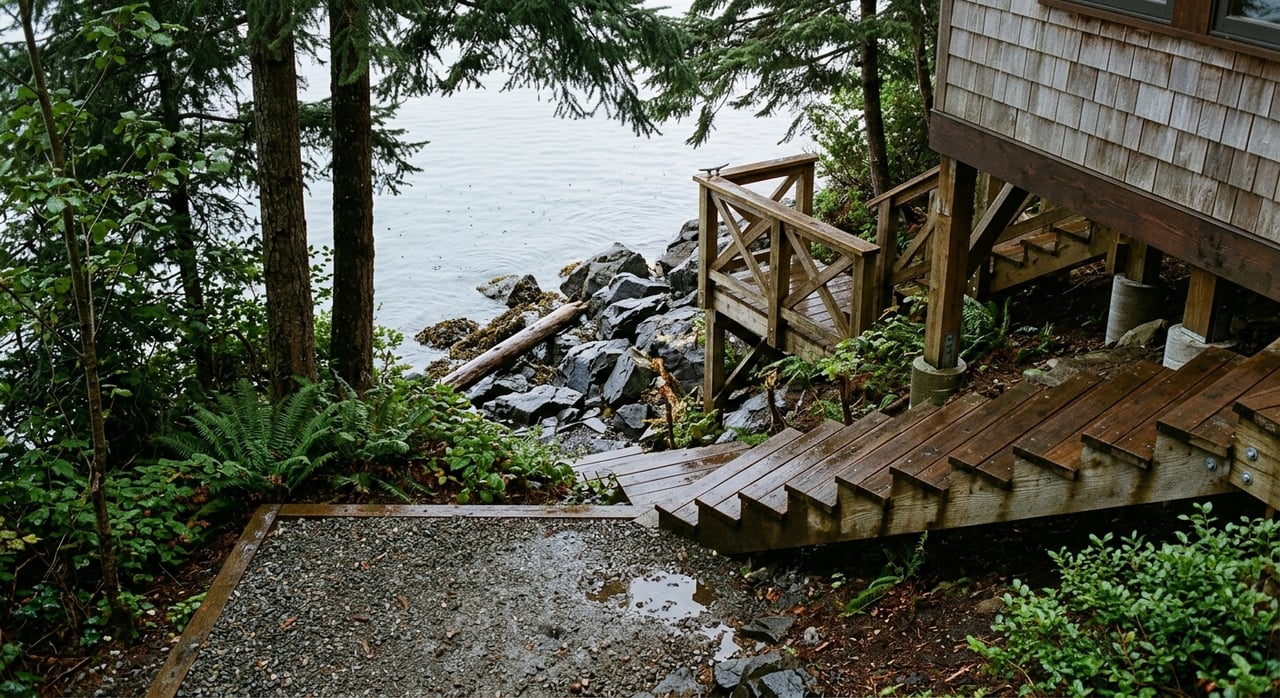
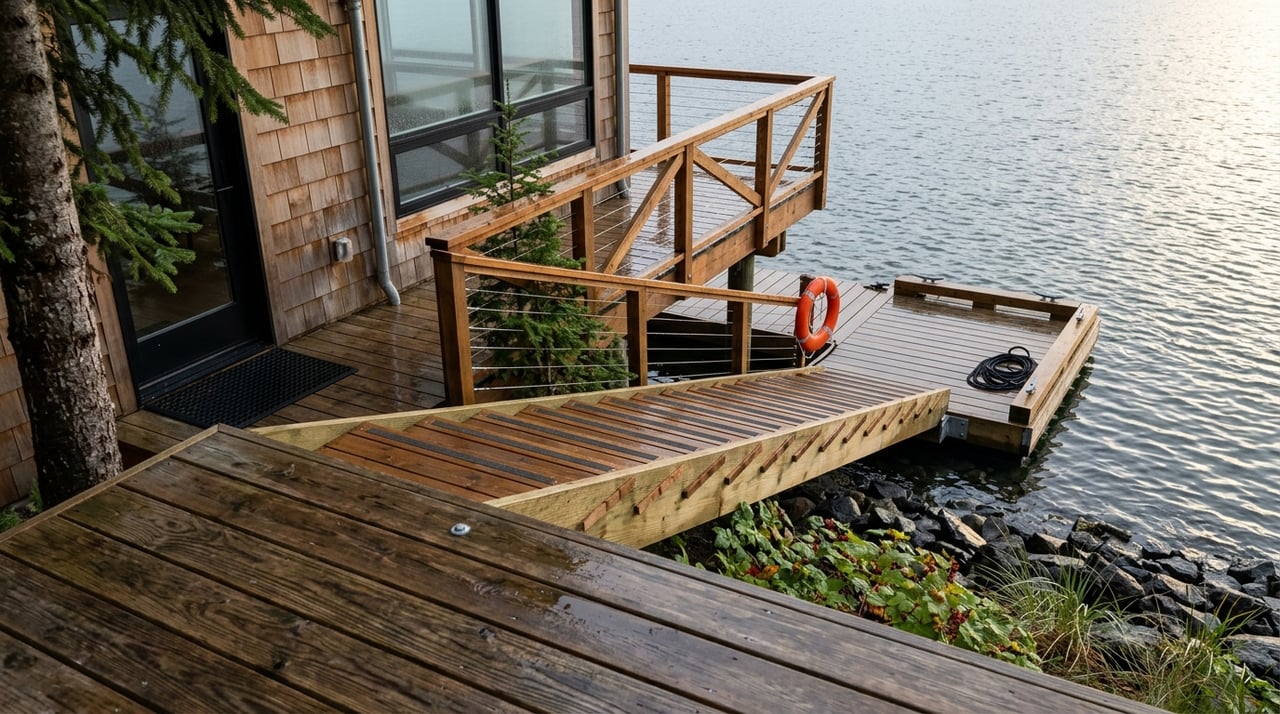
If your business plan includes moving guests, gear, or catch by boat or floatplane, practical access issues can affect value. You should confirm dock, float, moorage, and loading rights early in the process.
Sitka’s lodge-liquor review criteria treat adequate dock and loading structures, along with access across privately owned parcels, as material issues. In other words, a beautiful property without reliable legal access or functional waterfront improvements may create major operational limits.
One of the biggest differences between buying a lodge in Sitka and buying hospitality property in a road system market is transportation. Sitka is not road-connected to the mainland, so guests, staff, supplies, and service providers often depend on air, ferry, or floatplane access.
The state-owned Sitka Rocky Gutierrez Airport planning document notes an average of about four air-carrier flights per day in winter and eight in summer. Sitka is also served by the Alaska Marine Highway System, and the city’s seaplane base includes transient slips and passenger shelter.
For lodge buyers, that flight pattern matters. Summer access is typically broader than winter access, which can influence hiring, inventory planning, repair schedules, and guest booking assumptions.
If you are underwriting a purchase, it helps to think beyond room count and nightly rates. You also want to consider how food deliveries, maintenance windows, and employee travel will work across a seasonal transportation schedule.
A lodge purchase in Sitka also comes with local and state compliance steps. Before making sales, rendering services, or providing rentals in Sitka, a business must register with the City and Borough of Sitka Tax Office, and Alaska requires a business license for business activity in the state.
Sitka’s tax structure is also important to your pro forma. The city reports a sales tax rate of 5 percent from October through March and 6 percent from April through September, along with a 6 percent transient room tax.
These are not details to leave until after closing. If you are comparing properties, understanding local tax obligations upfront can help you model revenue and expenses more accurately.
That is especially true if the lodge includes rooms, meals, merchandise, transportation, or other guest services. The more layered the operation, the more important it is to map each revenue stream to the right compliance requirements.
Many fishing lodges are more than overnight lodging. If your operating plan includes meals, you will also need to review food service rules.
The Alaska Department of Environmental Conservation regulates food service operations under the Alaska Food Code. The state also requires food workers to obtain a food worker card within 30 days of hire, and some establishments must have at least one full-time certified food protection manager on staff.
If the property has a commercial kitchen, ask whether the setup matches your intended level of meal service. Equipment, workflow, staffing, and compliance responsibilities can all affect renovation costs and launch timing.
For buyers coming from outside Alaska, this is a good reminder that a lodge is often a full operating business, not just a real estate purchase. Your due diligence should cover the business systems as carefully as the structures.
Utilities can be one of the most important parts of buying a fishing lodge in Southeast Alaska. This is particularly true for waterfront or remote properties that may rely on independent systems.
Alaska DEC’s wastewater permitting program covers domestic wastewater discharges, and onsite wastewater regulations were updated effective October 1, 2023. Certain systems require plan approval, and larger or non-domestic systems may need added DEC review.
If the property operates a public or private water system, Alaska also has an operator certification framework for water and wastewater operators. These issues can affect both compliance and long-term operating costs.
When evaluating a lodge, consider asking about:
For remote Alaska properties, these systems are central to business continuity. A lodge may look turnkey at first glance while still needing meaningful infrastructure review.
In Sitka, land conditions are not a side issue. The city code says land found unsuitable for development because of hazards like flooding, avalanches, rockfalls, landslides, unstable slopes, polluted or nonpotable water supply, or other safety issues should not be developed or subdivided unless those hazards are addressed.
You can review that standard in Sitka’s land suitability code. For lodge buyers, that makes site condition review especially important on waterfront and remote parcels.
In practice, your review may include title, easements, survey matters, dock and float rights, utility service, site access, and major capital items. These are the kinds of details that can change the value of a lodge far more than finishes or décor.
If a property includes multiple buildings or shoreline improvements, make sure the paper trail matches what exists on the ground. A thorough diligence process can save you from expensive surprises after closing.
Buying a fishing lodge in Sitka often means coordinating around weather, transportation schedules, and a long checklist of property-specific questions. For absentee buyers and hospitality investors, local coordination can make the process much more manageable.
A Sitka-based broker can help line up site visits around air and ferry schedules, arrange virtual tours when access is limited, and help you gather local context on zoning, docks, utilities, and permit history before your professional advisors finalize diligence. That kind of on-the-ground support can be especially valuable when the property is remote or has multiple moving parts.
If you are considering buying a fishing lodge in Sitka, working with a local brokerage that understands waterfront, island, and hospitality properties can help you move forward with more clarity. To request a virtual tour or local consultation, connect with Suzanne Marina Jasso.


I know that hard work, knowledge and dedication are required to earn my client's business, respect, and most importantly their trust. I would be honored to work with you in any real estate dealings