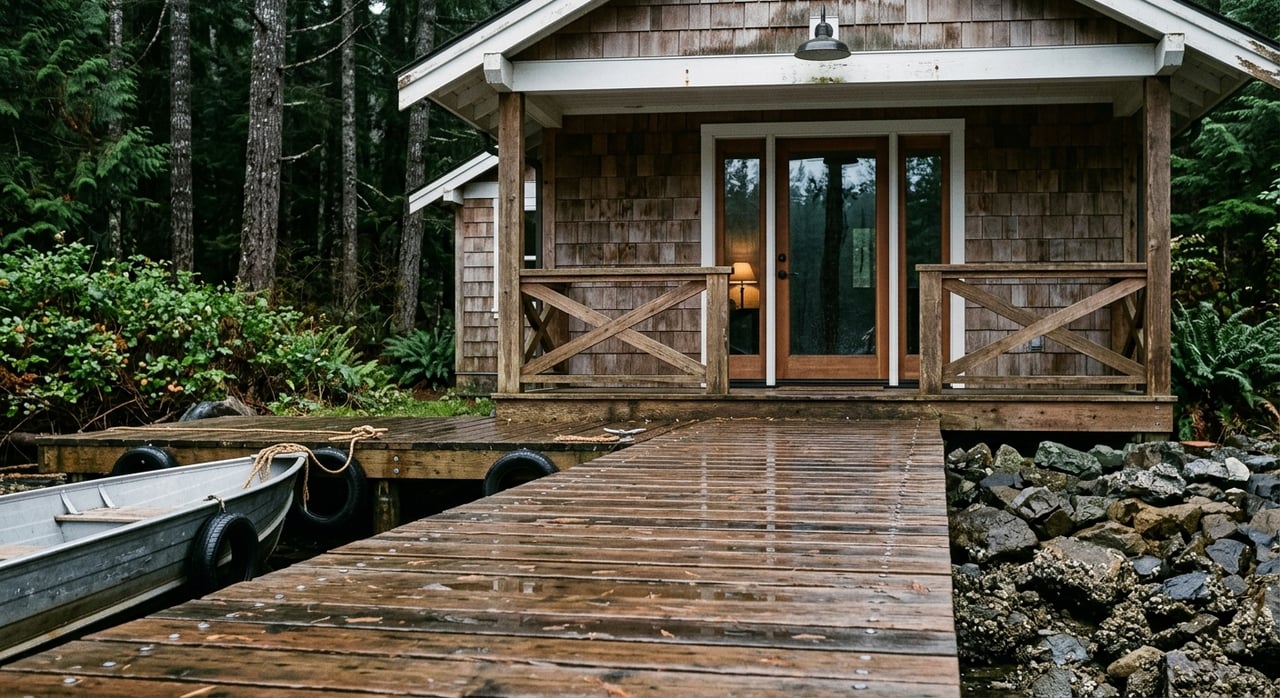
Discover Southeast Alaska Island Living in Sitka
April 2, 2026
April 2, 2026
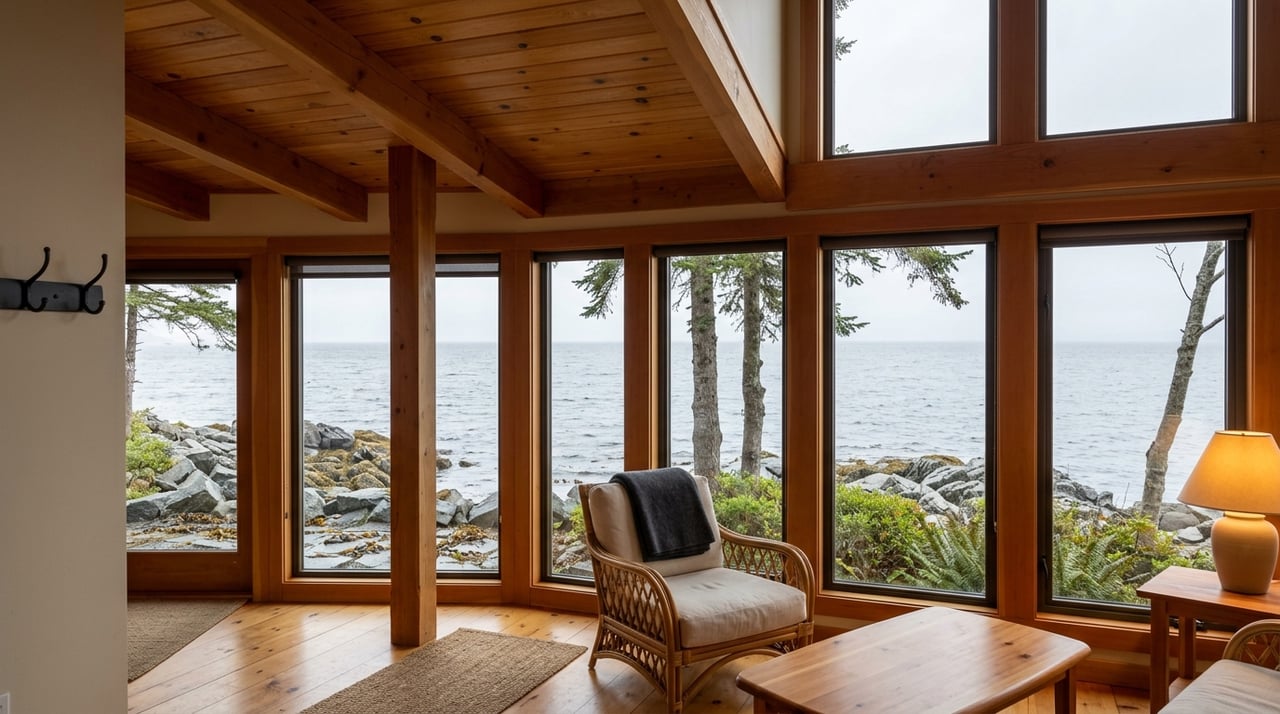
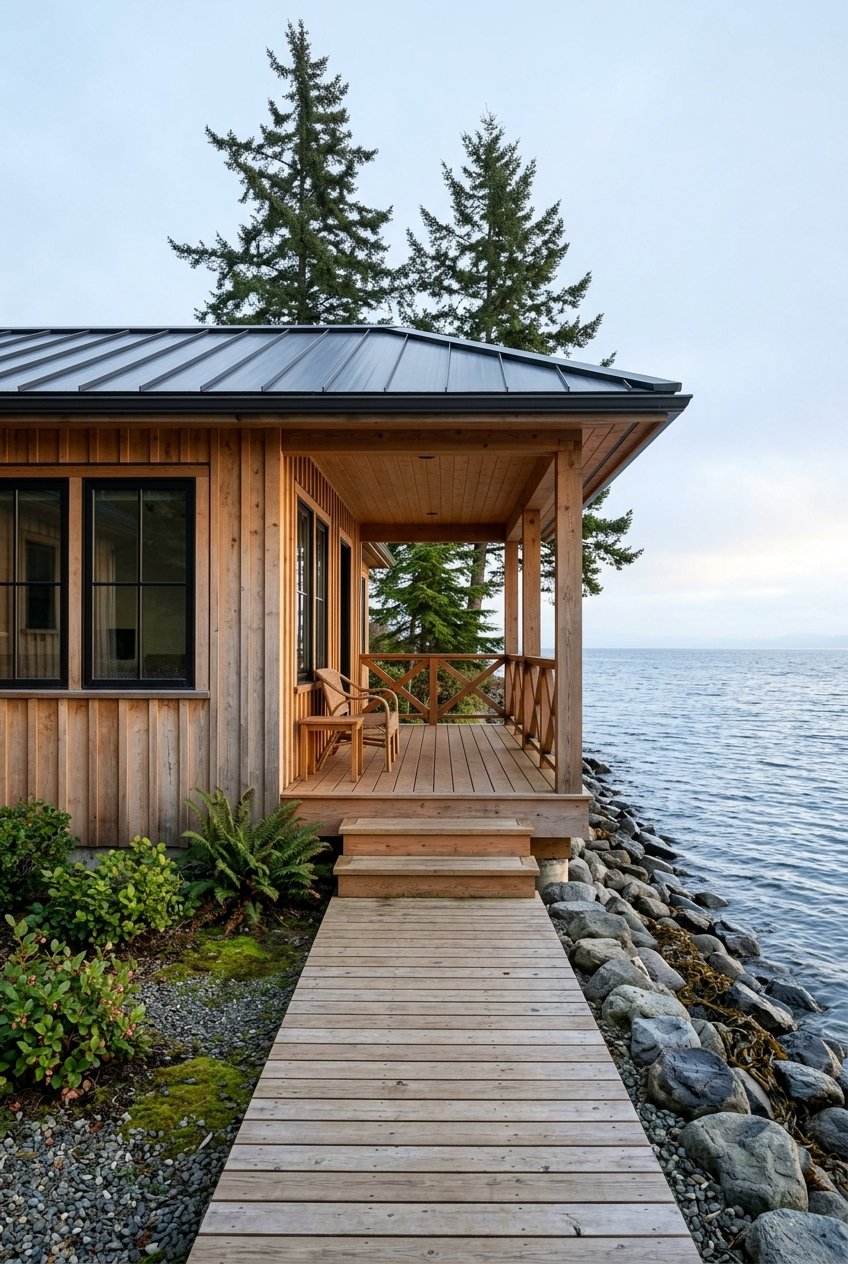
Dreaming of a second home where your front yard is open water, the neighbors might be whales or eagles, and getting there feels like part of the experience? In Sitka, that vision is real, but it comes with a very different rhythm than a typical vacation property. If you are considering owning an island getaway in Southeast Alaska, it helps to understand the balance of beauty, logistics, and planning that comes with it. Let’s dive in.
Sitka offers an island lifestyle in a setting that is both dramatic and deeply practical. Located on Baranof Island in the Alexander Archipelago, Sitka is accessible only by air or sea, which shapes daily life from the start.
That sense of separation is part of the appeal. Sitka has a population of about 9,061, so life here feels smaller-scale and more place-based than in road-connected markets. If you are looking for a getaway that feels genuinely removed from the pace of everyday life, Sitka stands out.
The larger Southeast Alaska region adds even more context. According to a Forest Service assessment of Southeast Alaska, the region is made up of islands and a narrow strip of mainland, with more than 80% of the land base managed by the Tongass National Forest. Private ownership exists within a vast public, wild landscape, which makes island property here feel rare and distinctive.
An island getaway in Southeast Alaska is not always comparable to a standard second home in the Lower 48. In some cases, ownership patterns can be shaped by long-standing permits, legacy cabins, and unusual land histories.
For example, the Forest Service notes that it manages permits for about 100 privately owned ANILCA cabins on Alaska’s national forests, and that ownership can change hands while the permit is reissued under updated policy. You can read more about that in the Forest Service policy update. For buyers, the key takeaway is simple: every remote or island property deserves careful review because no two ownership stories are exactly alike.
This is one reason local guidance matters. A property may look like a simple waterfront retreat online, but the real value often comes from understanding access, infrastructure, and how the property functions in day-to-day use.
One of the biggest questions buyers ask is, “How do I actually get there?” In Sitka, that is the right question to ask early.
The city is served by daily jet service, cargo flights, floatplanes, air taxis, and the Alaska Marine Highway ferry system. Across Southeast Alaska, air and marine access are not backup options. They are the transportation network.
That means your getaway may involve a mix of flight planning, boat transport, and seasonal timing. If you enjoy the idea of arriving by skiff, floatplane, or ferry, that is part of the charm. If you expect quick, road-based convenience, the adjustment can be significant.
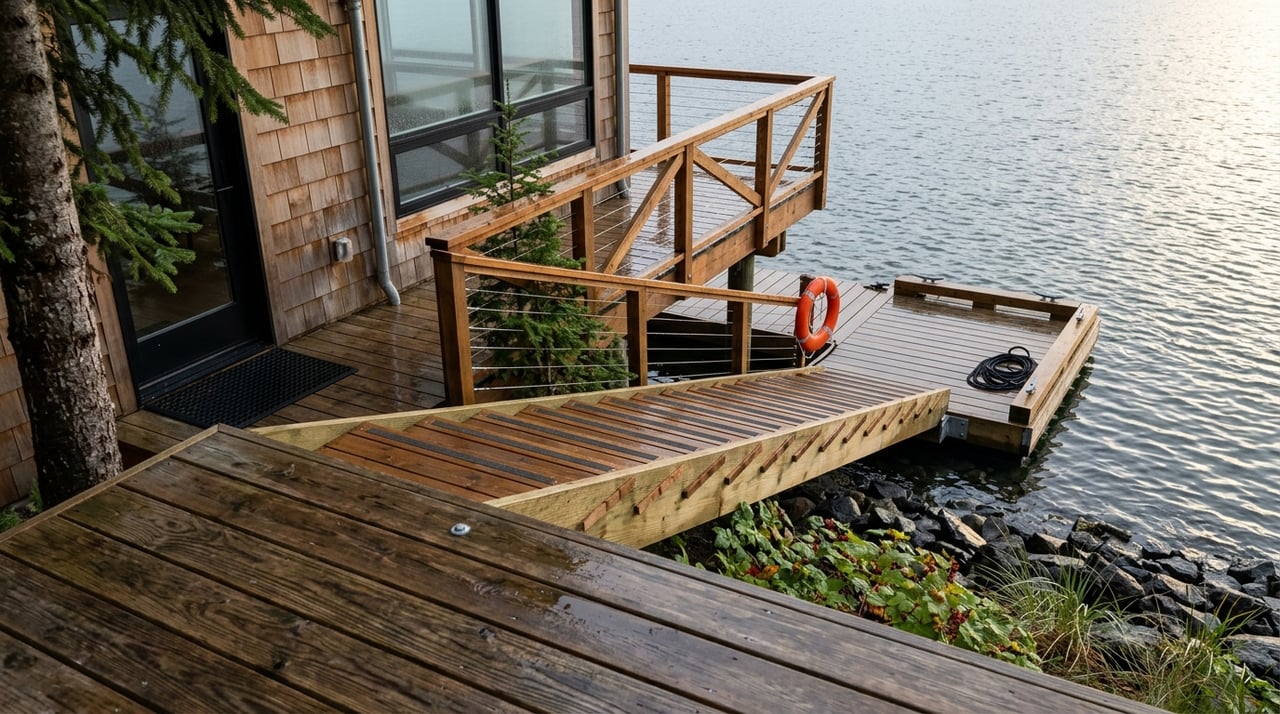
Sitka’s harbor system helps make this lifestyle workable. The city operates five harbors with moorage and transient-vessel support, including services such as water, garbage, waste oil, and in some areas electricity and potable water. This nearby infrastructure can make supply runs and staging much easier, even though remote access still requires planning.
In Southeast Alaska, the weather is not background scenery. It is part of how you use the property, when you travel, and how you maintain what you own.
Sitka has a cool maritime climate, with 1991 to 2020 climate normals showing average highs around 40 to 42°F in winter and 61 to 62°F in late summer. The same data shows about 84.47 inches of precipitation per year, with September and October especially wet.
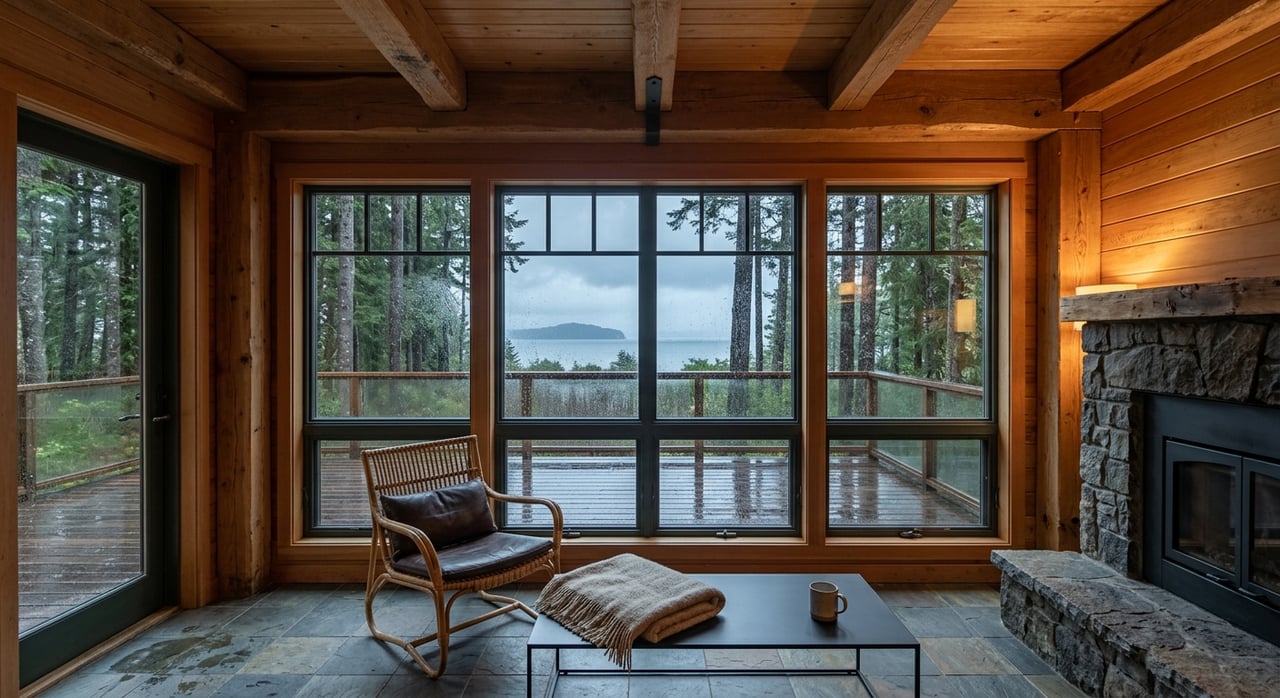
That climate is part of what makes the area so striking. The Tongass is a nearly 17-million-acre temperate rainforest, and Sitka sits within that larger rainforest setting. You get lush scenery, dramatic shorelines, and a true sense of coastal Alaska, but you also need to expect moisture, weather delays, and regular upkeep.
For many buyers, this makes an island retreat especially appealing as a seasonal or shoulder-season property. Summer often offers milder conditions for boating and flying, while fall and winter can be wetter and more weather-dependent.
People are drawn to Southeast Alaska for privacy, quiet, and the feeling of stepping into a lived-in wilderness. That feeling is grounded in reality.
The Forest Service reports that Southeast Alaska has a population density of about 2 people per square mile, with most residents living on islands or along the coastline. That low density creates real breathing room, but it also means self-sufficiency matters.
The Alaska Marine Highway notes that Sitka departure times can vary with tides and current. Sitka’s emergency preparedness guidance also recommends keeping at least 72 hours of food, water, and essentials on hand because disruptions can last for days or longer. For island owners, backup supplies are not just smart. They are part of responsible ownership.
A practical island property plan often includes:
This does not make ownership difficult for the right buyer. It just means the property works best when you approach it with realistic expectations.
When people picture a second home, they often imagine a fully connected house with the same systems they use every day. In Southeast Alaska, some remote retreats are much more self-contained.
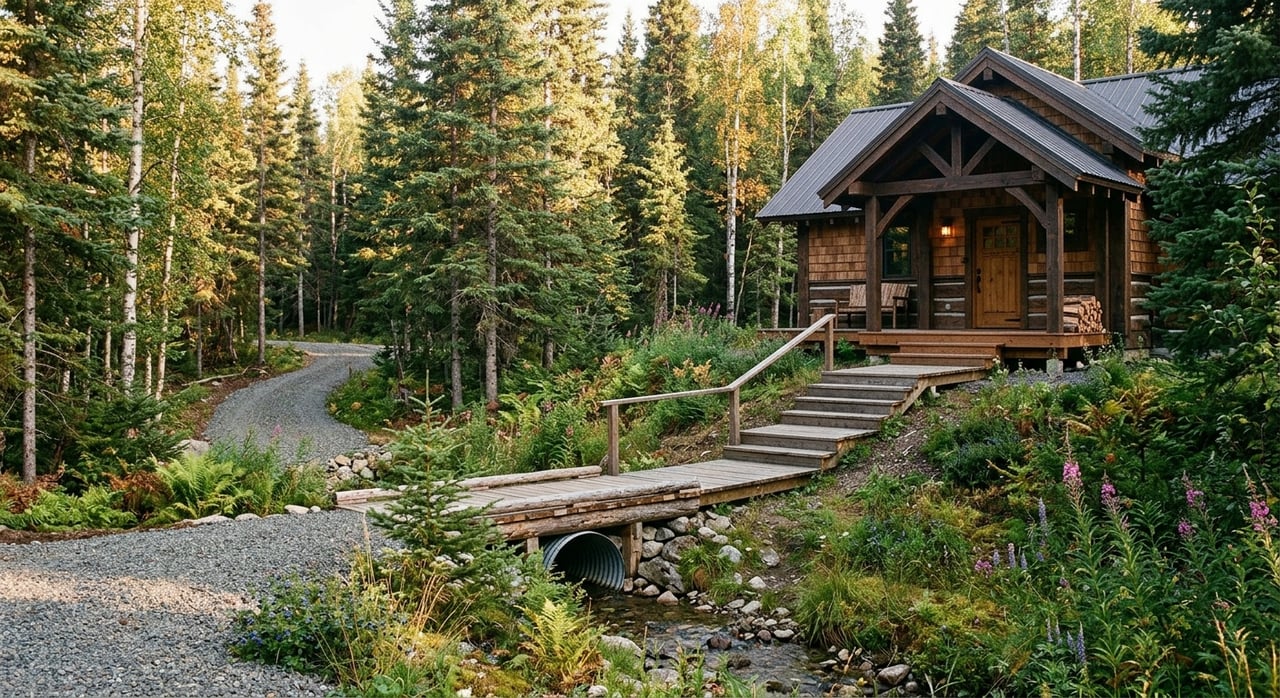
A useful point of comparison is Alaska State Parks’ public-use cabin system, where many cabins are rustic and set up around basic shelter, sleeping platforms, simple heat sources, and nearby latrines. Private properties vary widely, of course, but this gives you a sense of the scale and self-sufficiency that can define the region.
Closer to town, Sitka does have municipal electric and water and wastewater services. The city also reports that its hydro projects provide nearly 100% of the community’s electricity. At the same time, city permit materials recognize private water and sewer mains as well as private sewage disposal systems, which points to a practical divide between town-connected homes and more remote properties.
The farther out the property is, the more likely it is to function like a small off-grid operation. That can be a major part of the appeal, especially if you want independence and privacy. It just needs to be matched with the right expectations.
Owning an island getaway here can mean front-row access to one of the most wildlife-rich coastal environments in Alaska. That is a major reason many buyers fall in love with Sitka.
The National Park Service notes that bald eagles are common around tidal flats and salmon runs, and the Alaska Department of Fish and Game identifies the Sitka black-tailed deer as native to the wet coastal rain forests of Southeast Alaska. The same broader island region is also known for the Sitka brown bear lineage on Admiralty, Baranof, and Chichagof islands.
Local viewing opportunities also include humpback whales, sea lions, harbor seals, sea otters, and seabirds. That kind of everyday natural setting is hard to match elsewhere. At the same time, it means food storage, trash handling, and outdoor awareness are ongoing parts of the ownership experience.
An island getaway in Sitka is often a strong fit if you want:
It may be less ideal if you want easy drive-up access, low-maintenance ownership, or highly predictable travel conditions year-round. The right property can be extraordinary, but the best outcomes usually come when your expectations match the setting.
Remote and island properties ask different questions than standard residential listings. Access, dock use, utility setup, water systems, weather exposure, and ownership structure all shape how a property lives and how it should be evaluated.
That is where strong local representation can make a real difference. With specialized experience in island, waterfront, and remote-property transactions, Suzanne Marina Jasso brings the kind of Sitka-based perspective that helps buyers and sellers move forward with more clarity.
For distant buyers, immersive tools can also help bridge the gap. Matterport 3D tours, drone videography, professional photography, and YouTube marketing can give you a much better feel for a property before you ever step on a plane or boat.
If you are exploring the idea of owning an island getaway in Sitka, the goal is not just finding a beautiful property. It is finding one that matches how you want to use it, reach it, and care for it over time. When you are ready to talk through the possibilities, connect with Suzanne Marina Jasso for a virtual tour or local consultation.
I know that hard work, knowledge and dedication are required to earn my client's business, respect, and most importantly their trust. I would be honored to work with you in any real estate dealings